
Science that grows with our communities.
We are scientists taking research out of the laboratory and into farms, schools and neighbourhoods, so that the people it affects can see it, test it and question it to understand it.

Our next webinar is being planned. Tell us what it should be about.
Suggest a topicWho we are
SCI-NAC began with young Kenyan scientists who saw that knowledge matters most when it is shared.
Too often, important research stays on the shelf, far from the farmers, learners and the society whose lives it touches. We set out to change that.
Today we are a registered Kenyan organisation led by dedicated volunteers. Through webinars, hands-on trainings and field visits, we open the work of science to the public, so that communities can understand the science behind their food, their health and their environment, and examine it, question it and help shape it.
Read our story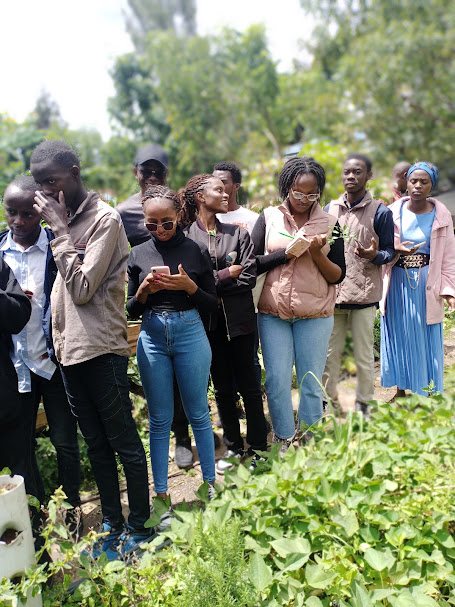
Our focus
Four areas where better science, shared openly, changes everyday decisions.
-
Food security
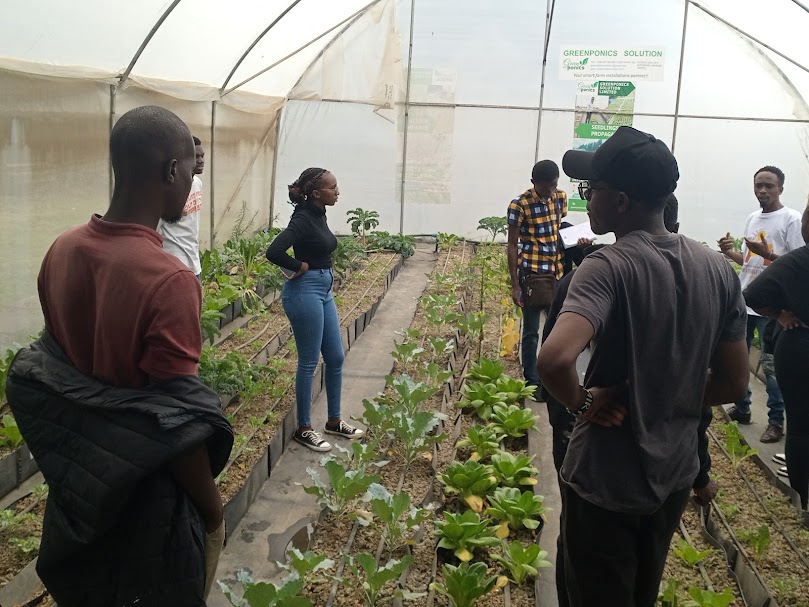
Trainings in urban farming, hydroponics and nutrition, so families can grow and choose better food.
-
Environmental conservation
Conferences and citizen science projects that put young people at the centre of protecting nature.
-
Waste management
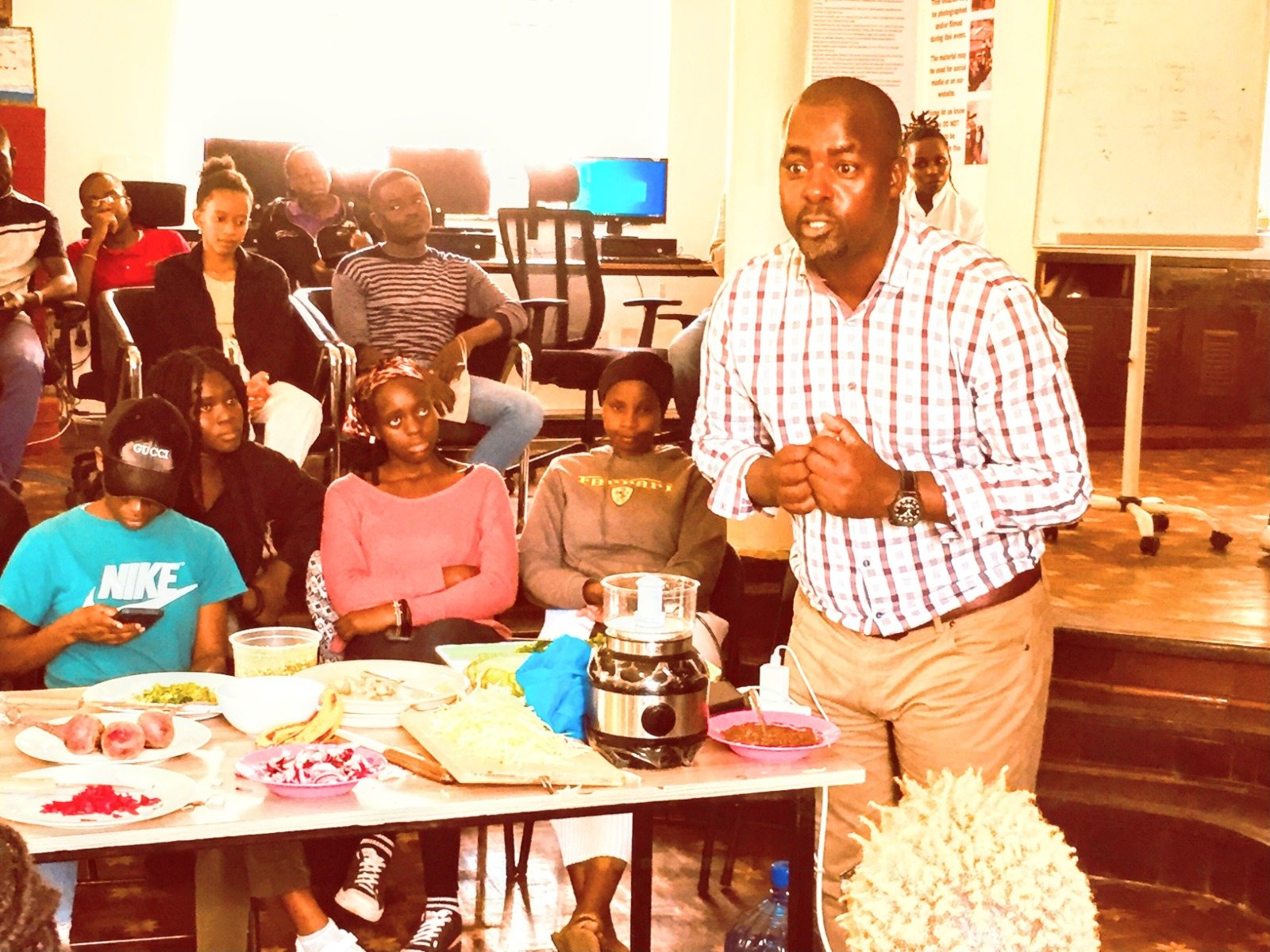
Turning what is thrown away into something useful: sorting at home, safer disposal, and growing food on maize cobs and straw.
-
Policy and advocacy
Plain-language explainers and training that help communities take part in science policy.
Our impact so far
- webinars hosted
- 50+
- organizations partnered with
- 20+
- people trained in person
- 200+
- people reached across East Africa
- 5000+
What we run
-

Citizen science webinar series
Monthly online discussions where expert panels explain the science behind the issues that shape our lives, from GMOs and antimicrobial resistance to diabetes, breast cancer and food security.
-
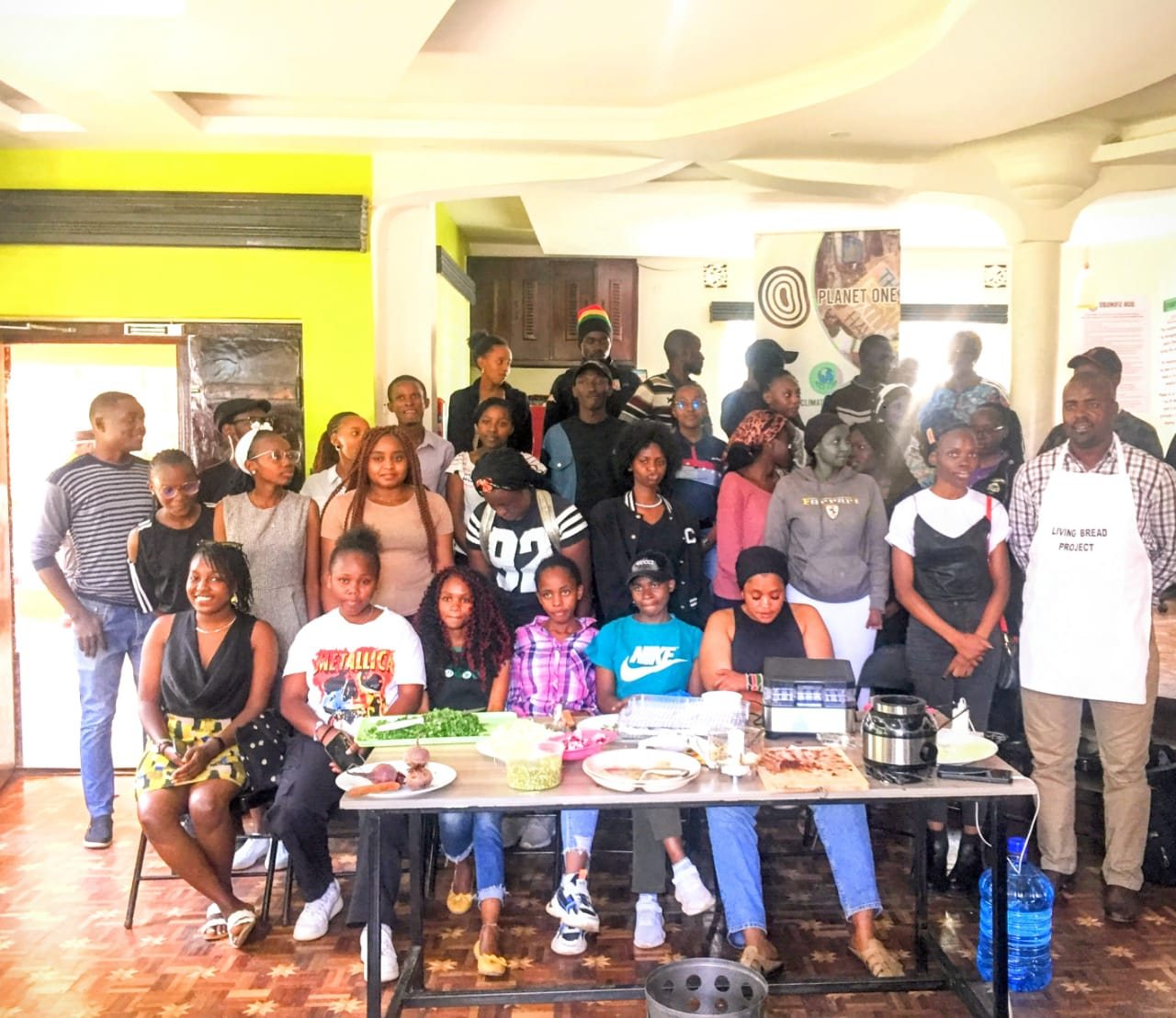
Physical trainings
Hands-on sessions where communities learn a technology directly from the people who built it, from organic bread making to mushroom farming on agricultural waste.
-
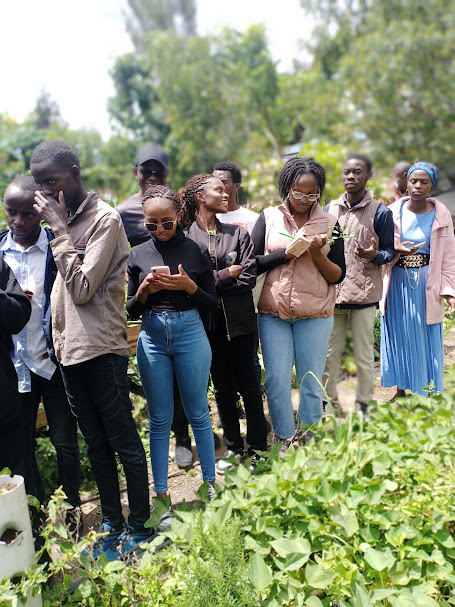
Learning tours and visits
Visits to places where scientific methods are already working, so people can watch the process, ask questions on the spot and judge what would suit their own circumstances.
-
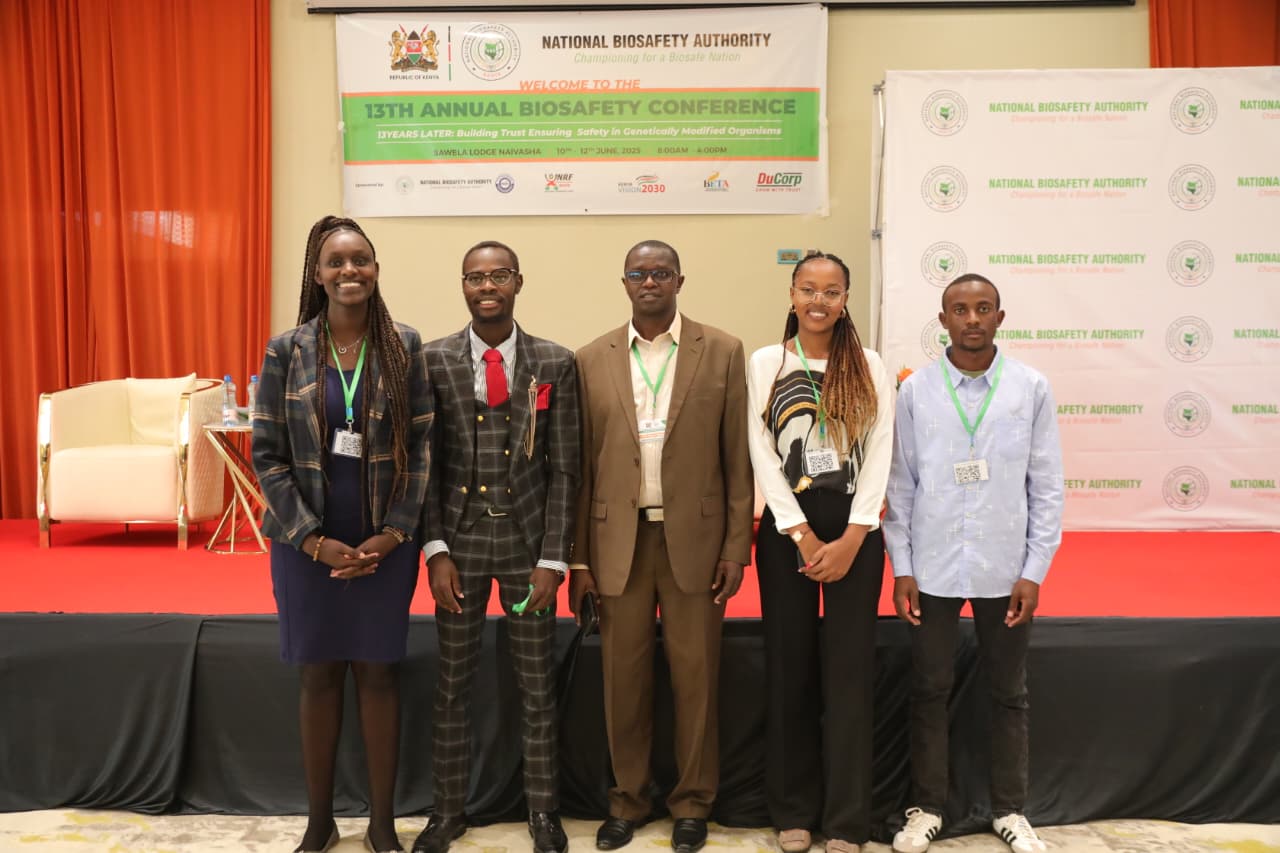
Conferences and policy forums
National conferences and policy forums where we carry community questions to regulators and researchers, and bring the answers back in plain language.
-
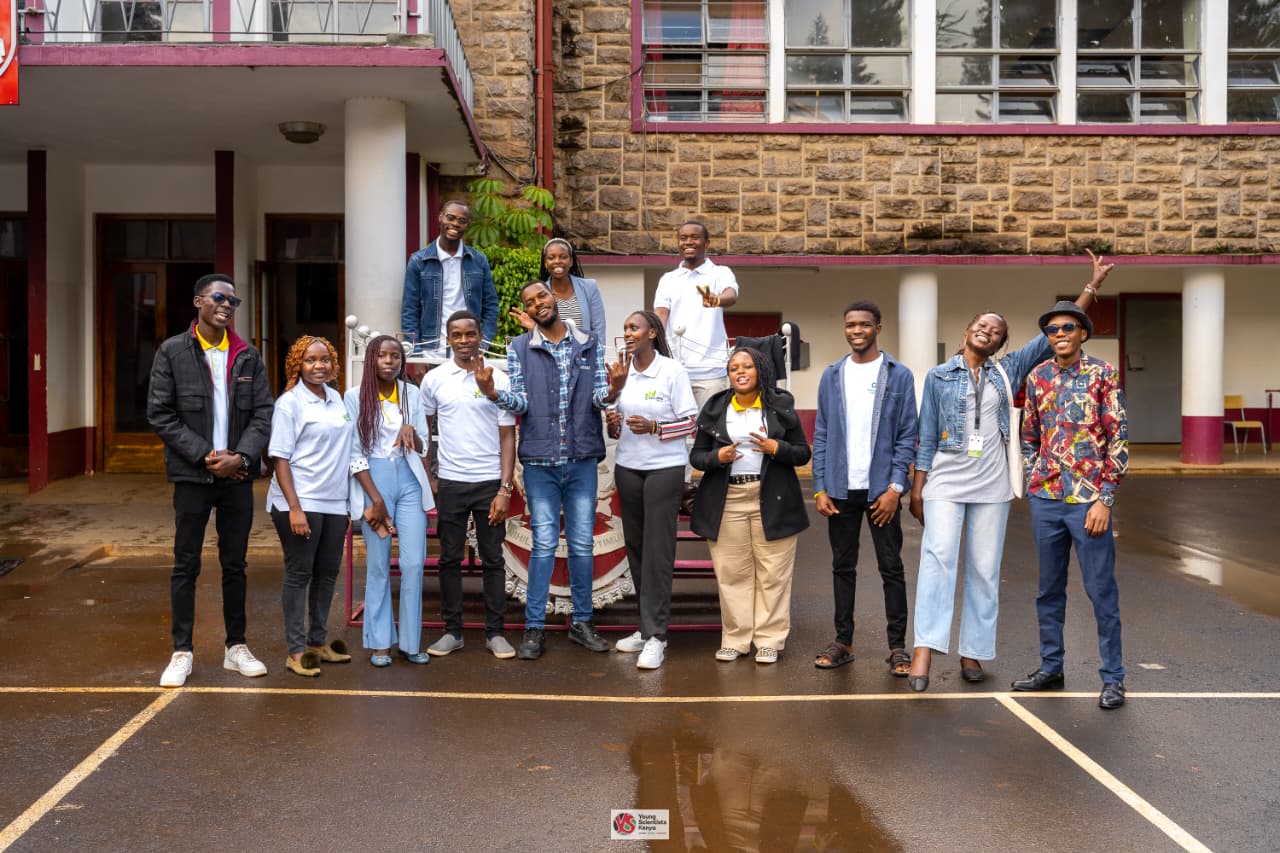
Mentorship programme
Structured time with practising scientists for high school and university students, run with science groups at leading Kenyan institutions.
-
Virtual and augmented reality in science communication
An ongoing initiative using 360-degree video and live interactive environments to bring laboratory science to communities, developed with Kenyatta University and Black Rhino and showcased at M-Hub Nyeri.

Voices from the community
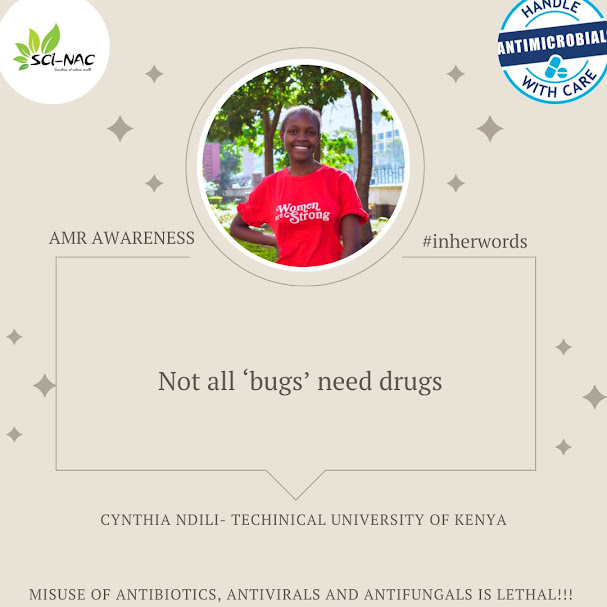
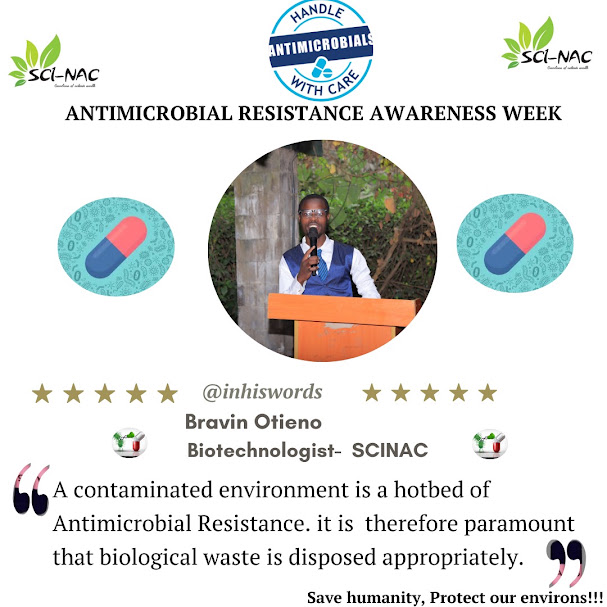
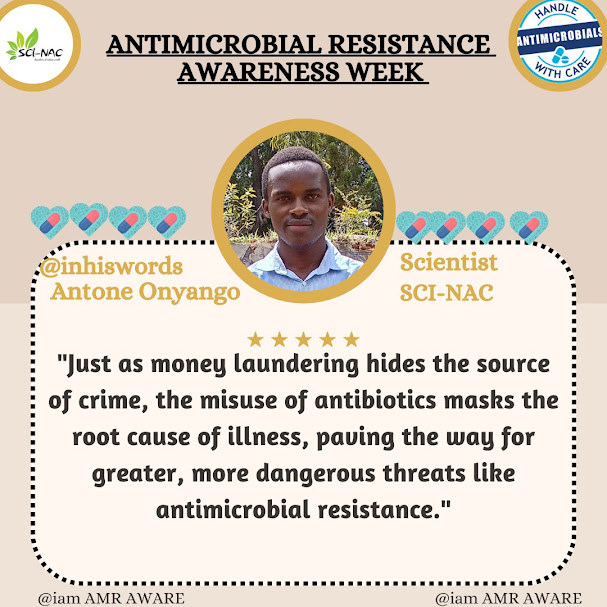
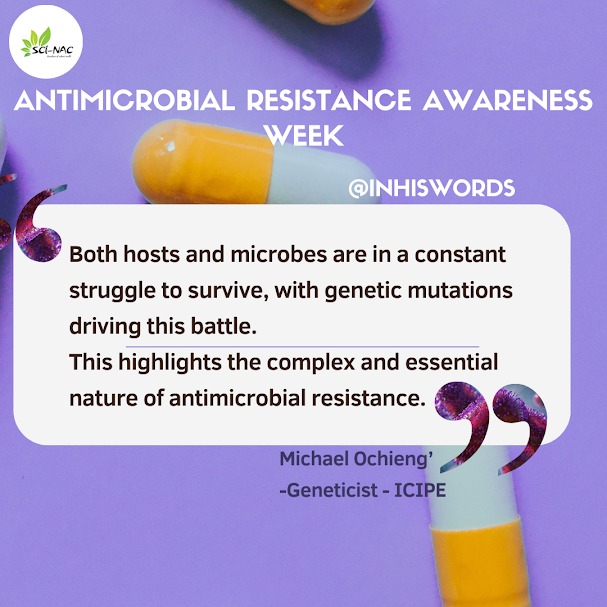
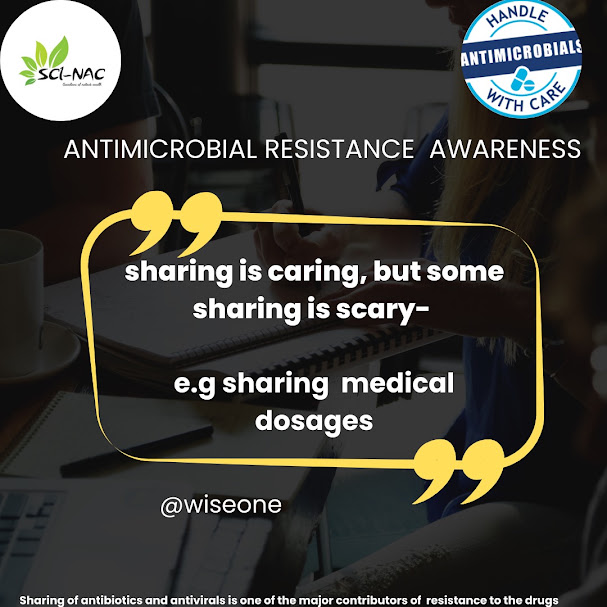
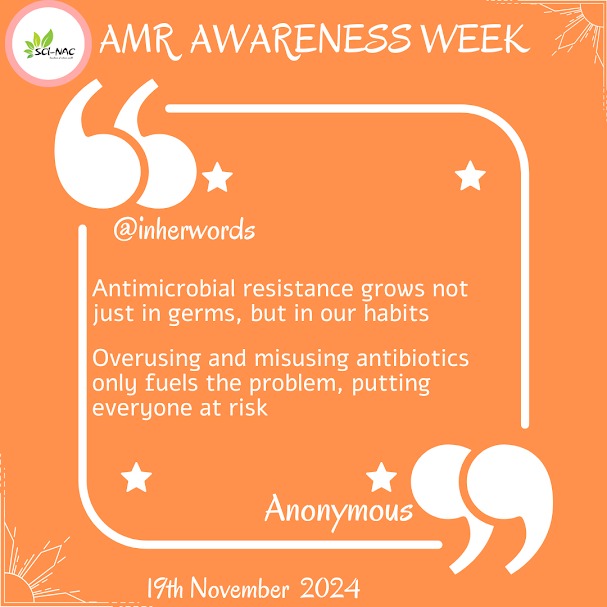
What members and participants told us during our antimicrobial resistance awareness week.
Our partners
We run most of our work alongside other organizations. These are the people we build it with.
-

Physical trainings and learning tours
-
Food security and sustainable bread baking
-
Biosafety conferences and GMO regulation
-
Youth climate and conservation work
- Planet One
- City Shamba
- Young Scientists Kenya
- Kenyatta University
- Black Rhino
- M-Hub Nyeri
- Jomo Kenyatta University of Agriculture and Technology
- Technical University of Kenya