What we’ve done so far
Every webinar, training, tour and mentorship day we have run, and what came out of them.
By the numbers
- webinars hosted
- 50+
- organizations partnered with
- 20+
- people trained in person
- 200+
- people reached across East Africa
- 5000+
Webinar attendance keeps climbing
Average attendance per webinar, from our first sessions to our most recent ones. Word of mouth did most of the work.
×3 more people in the room than when we started
Show as a table
| Period | Attendees per webinar |
|---|---|
| Our first webinars | 20 |
| Our latest webinars | 60 |
The events we have run
-
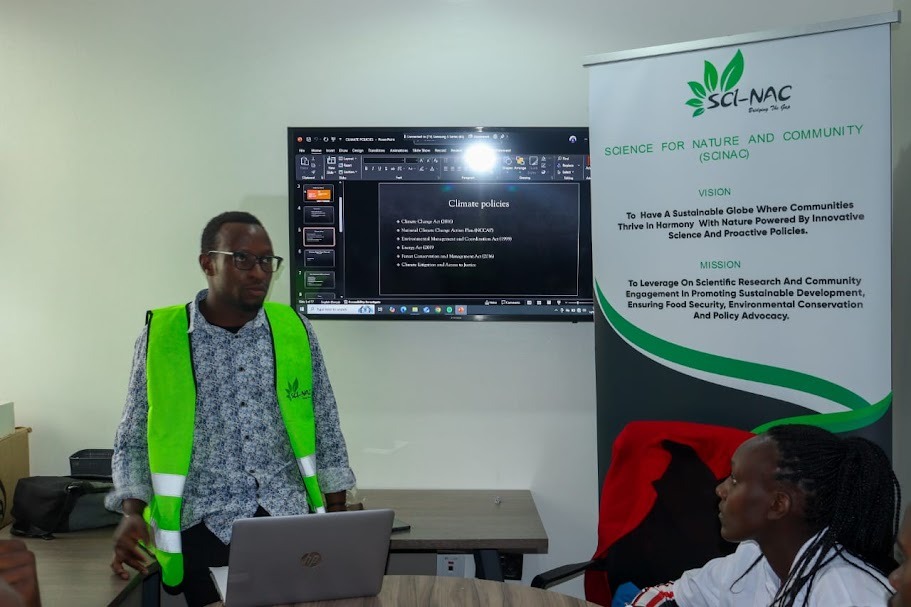
Scientists receive training on science policy and law from a member of the legal profession. Before every public session
Peer-to-peer trainings
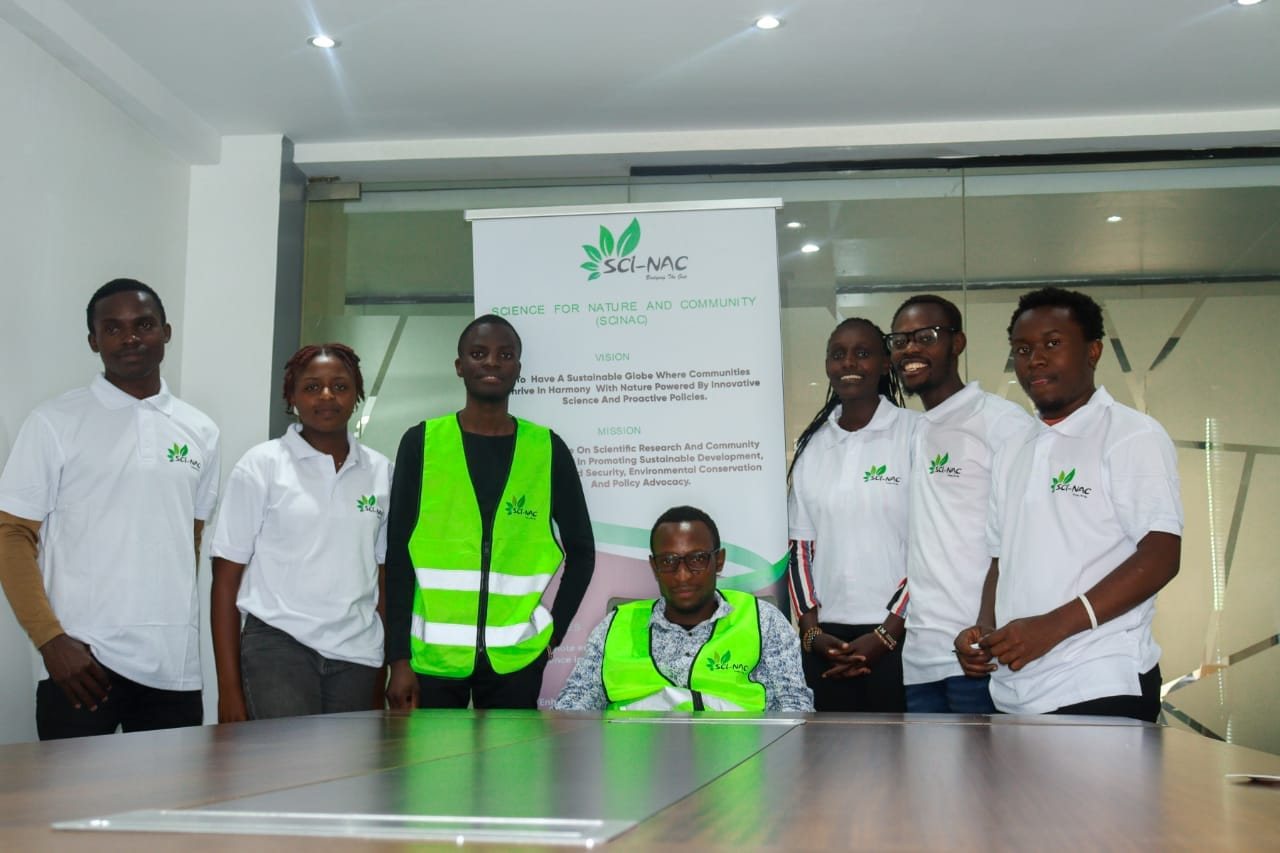
Real-world problems rarely fit inside one discipline. A farming challenge may call for soil science, public health knowledge, an understanding of the law and a sound policy response all at once. That is why SCI-NAC is built with an all-round perspective: its members are natural scientists, biological scientists, social scientists, lawyers and policy specialists, among others, working side by side.
In its peer-to-peer trainings, a member with deep expertise in a specific subject leads a structured session for colleagues from other professions. Teaching moves in every direction. A legal expert may guide scientists through environmental regulation, while a field scientist may show policy colleagues how evidence is gathered and tested. Each member is both teacher and learner. Before any training begins, its content is reviewed and verified by a certified professional, ensuring that what SCI-NAC teaches is accurate, current and responsibly communicated.
These sessions help researchers understand how regulation shapes their work and how their findings can inform public decisions, so that scientists who understand the policy landscape are better placed to turn evidence into action. Participants get a working understanding of fields beyond their own, stronger skills for explaining complex ideas across professions, and the confidence to take research from the lab into policy and community settings. By learning from one another first, our members are better prepared to communicate with the farmers, students and communities we serve.
Every public session is reviewed by a certified professional before it runs.
What we have run under this
- Science policy and environmental law Led by a member of the legal profession
- How evidence is gathered and tested Led by field scientists, for policy colleagues
-

Our five-month season on genetically modified organisms opened the technology up to public questions. Monthly, online
Citizen science webinar series
Science shapes daily life, yet the conversations about it often happen far from the people it affects. The SCI-NAC Citizen Science Webinar Series brings those conversations into the open. Each month we host a live online discussion on a pressing issue facing society, with a dedicated topic for every session. Each webinar features a diverse panel of experts who combine deep knowledge of their fields with strong science communication skills. Their role is to address real societal challenges, explain what the evidence says and respond to questions from the community. Topics are chosen for their relevance to current and emerging issues, including emerging technologies, science and leadership, and public policy and its enactment.
Amongst our extensive programme is a five-month season on genetically modified organisms (GMOs). The season sensitised the community to the technology and explained how it interacts with daily life and with the future of food and farming. Panels brought together voices from government, policy and advocacy, so that participants could hear the science alongside the regulatory and public interest perspectives. The aim was to give communities the knowledge they need to understand the issue and take part in the decisions that affect them.
Beyond GMOs, the series has hosted webinars on antimicrobial resistance, diabetes, breast cancer and food security, clean energy, climate and global warming, HIV/AIDS, and nutrition and dietetics.
Communities make better decisions when they have accurate information and a chance to question it. By pairing expert knowledge with plain language and open dialogue, the series builds public understanding, counters misinformation and strengthens the link between research, policy and everyday life.
More than 5,000 people across East Africa have taken part so far.
What we have run under this
- Genetically modified organisms A five-month season, with government, policy and advocacy panels
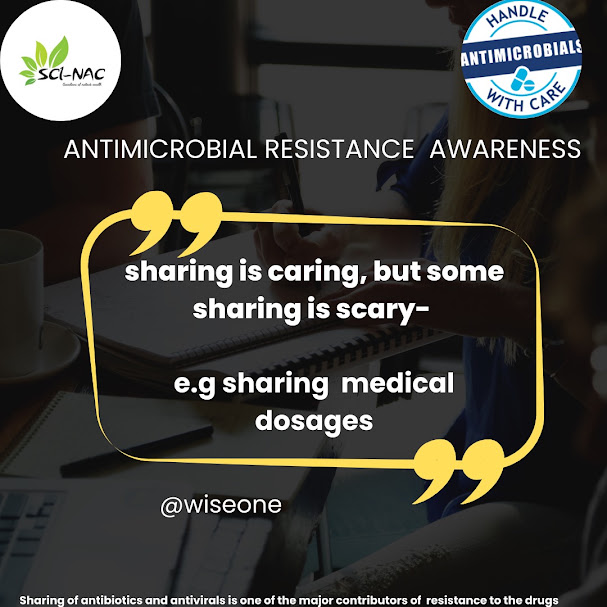
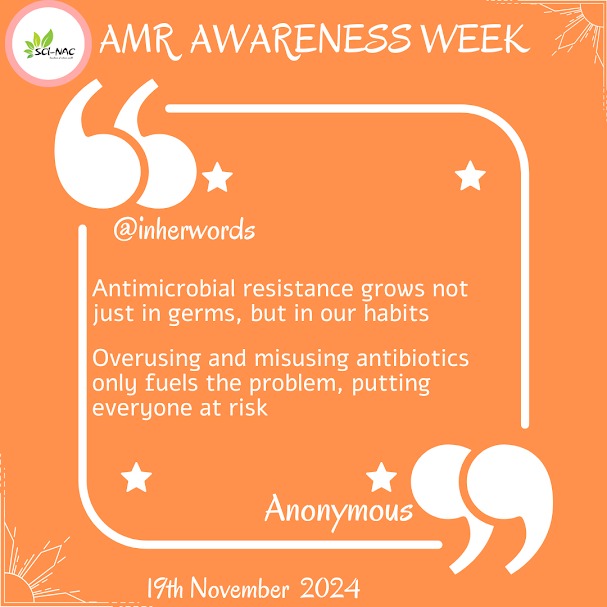
- Antimicrobial resistance With AMR Awareness Week
- Diabetes Living well with it, and lowering your risk
- Breast cancer and food security
- Clean energy Cleaner cooking and lighting at home
- Climate change and global warming
- HIV/AIDS Prevention, testing and treatment
- Nutrition and dietetics
-
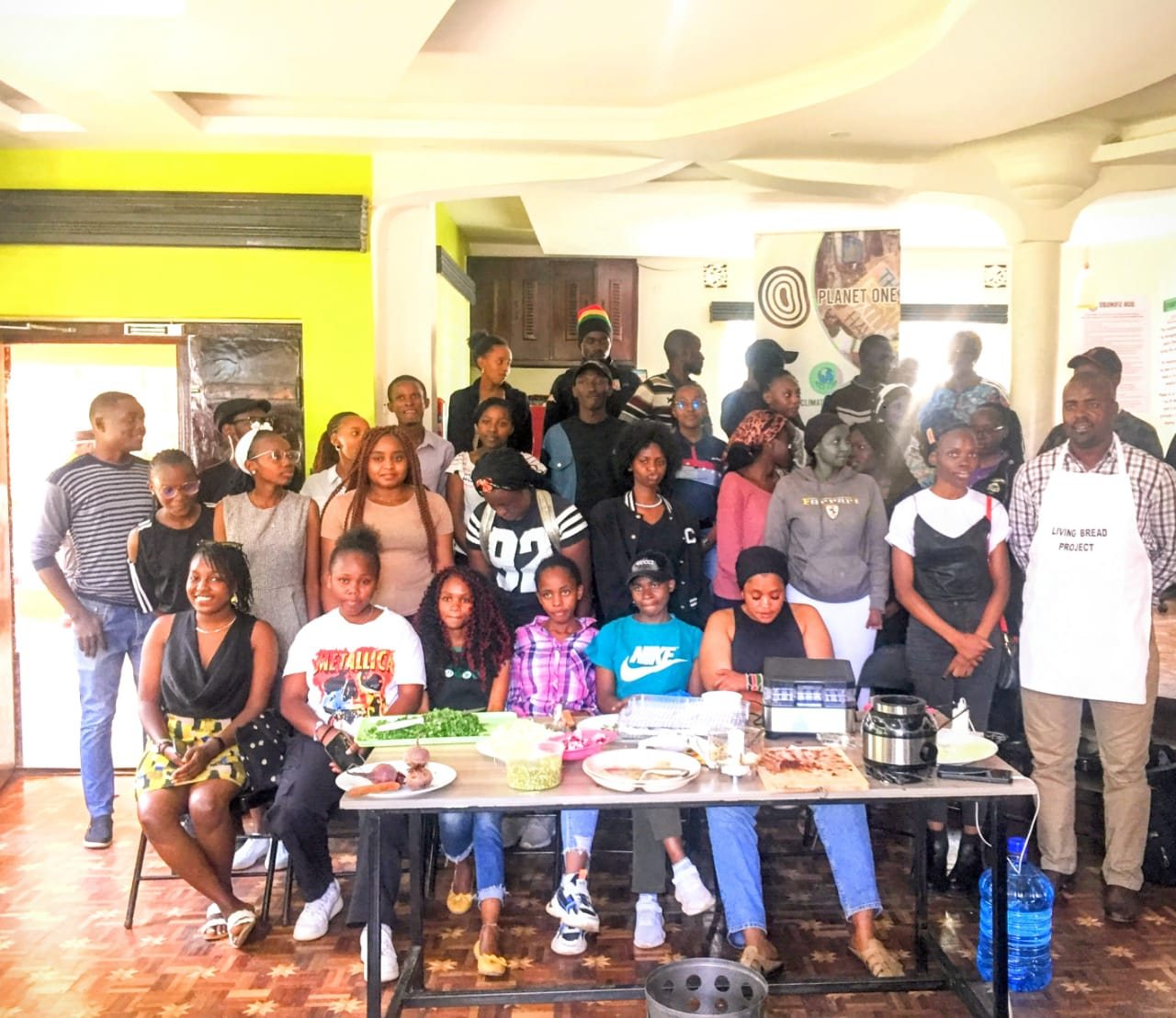
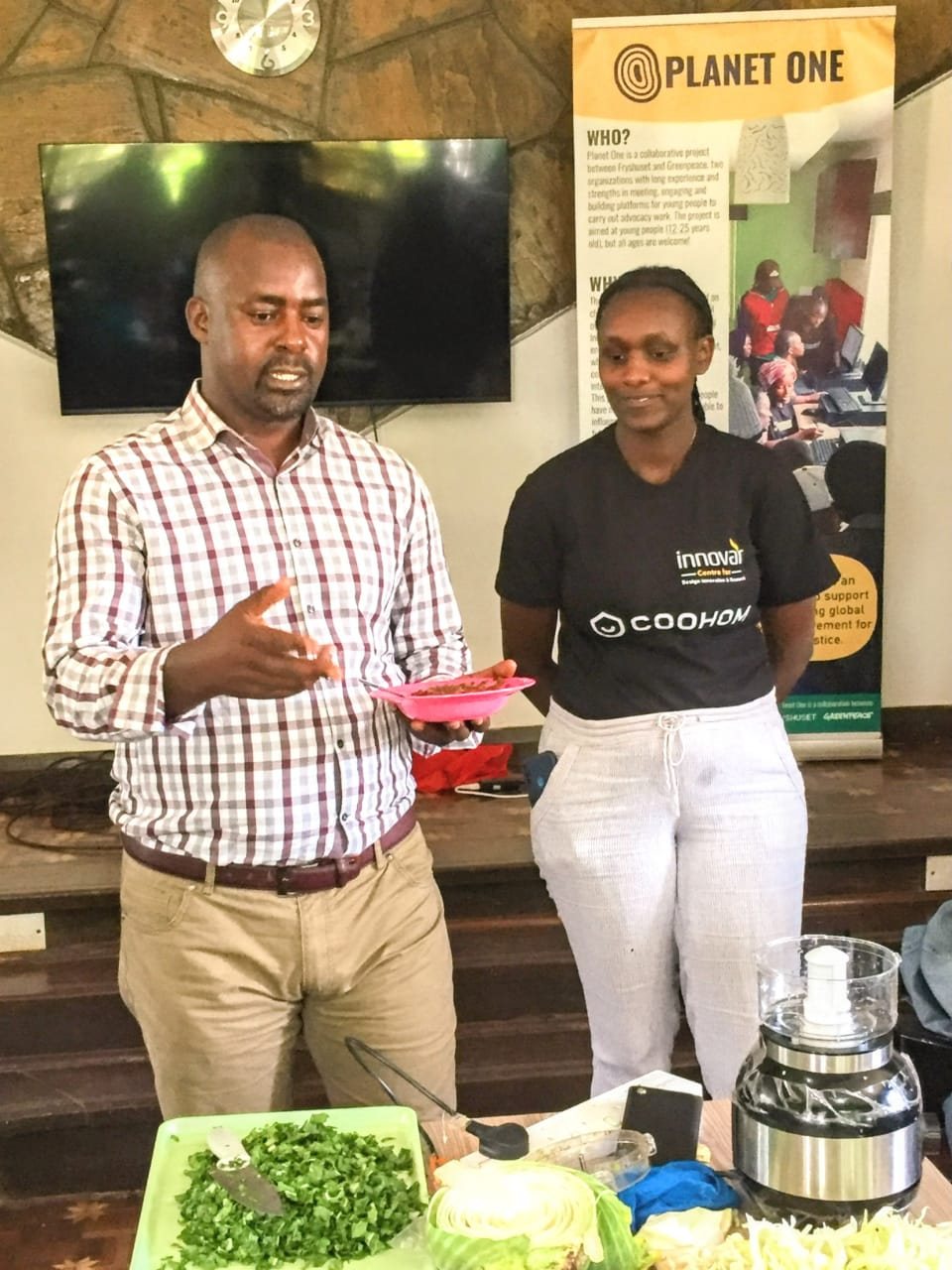
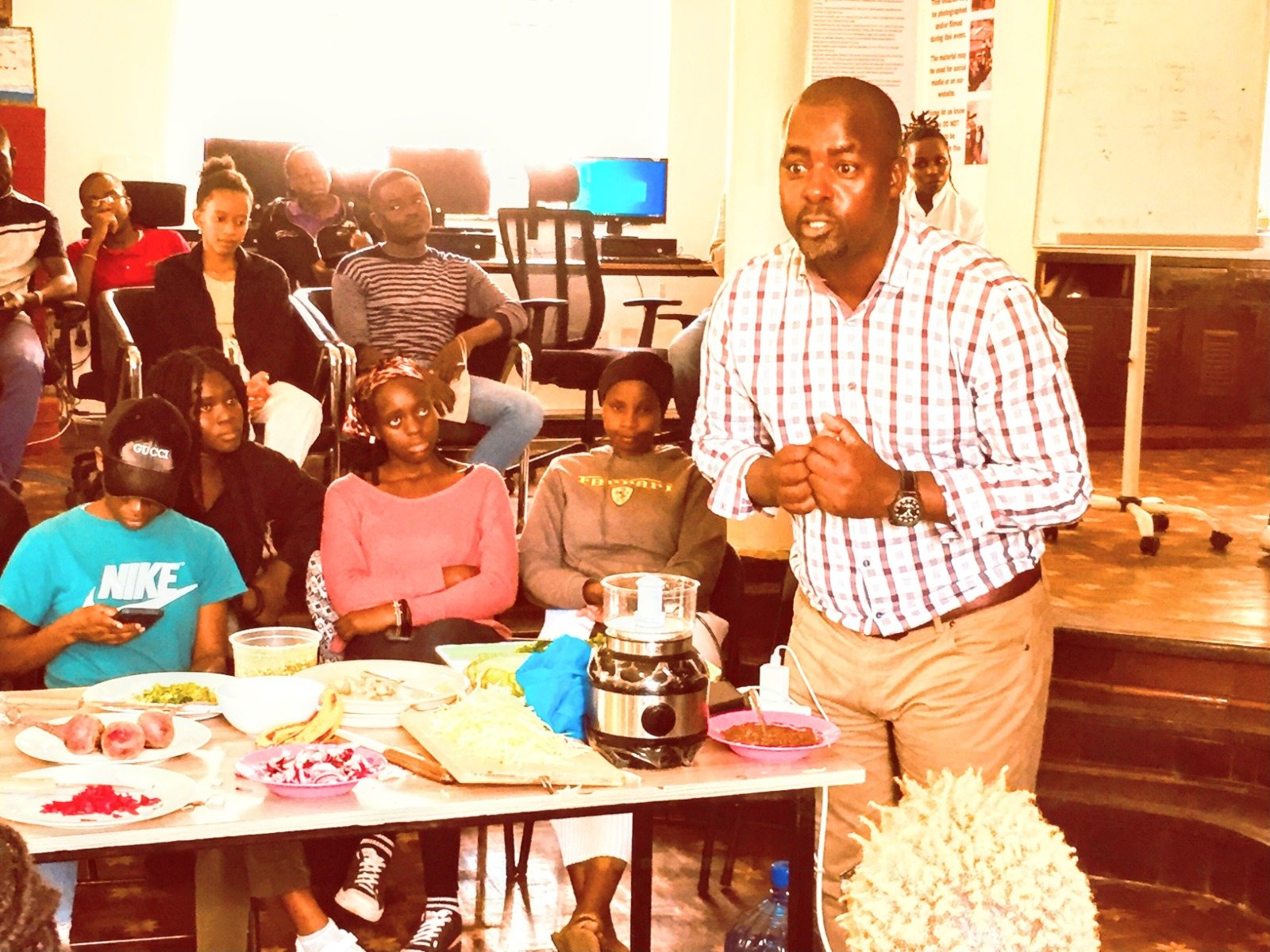
Participants learn to make nutritious, long-lasting organic bread from locally available ingredients, with Ubunifu Hub and Impact Green Ambassadors. Alongside the webinar season
Physical trainings
Understanding science is powerful; applying it is transformative. SCI-NAC's physical trainings translate the ideas discussed in our monthly webinars into practical skills. Each training introduces community members and young people to a scientific technology or innovation that addresses a real local challenge and delivers tangible benefit to society. Participants learn directly from the innovators behind the technology, engage with them in person and practise the methods themselves. Every session is hands-on, and is designed to produce solutions tailored to the needs of the community in which it is held.
A featured training addressed organic bread making, in line with our thematic focus on food security, nutrition and dietetics. The bread is produced from organic, locally available ingredients selected for their nutritional value. It keeps well over an extended period and can be prepared by anyone, even with very limited resources. The training demonstrated that nutritious food need not depend on expensive inputs, and that sound science can be applied in an ordinary kitchen. This session was delivered in collaboration with Ubunifu Hub and Impact Green Ambassadors.
A further training introduced participants to mushroom farming using readily available agricultural waste, such as maize cobs and wheat and rice straw. The approach converts waste into a source of food and income, demonstrating how environmental stewardship, food security and livelihoods can reinforce one another.
The impact extends beyond the training room. Young participants have broadened their understanding of what science can achieve, and some have applied their new skills in self-employment.
Participants move from understanding science to applying it, some of them in self-employment.
What we have run under this
- Organic bread making 56 participants from Nairobi, Kiambu and Machakos, with Ubunifu Hub and Impact Green Ambassadors
- Mushroom farming on agricultural waste Growing food on maize cobs, wheat and rice straw
-
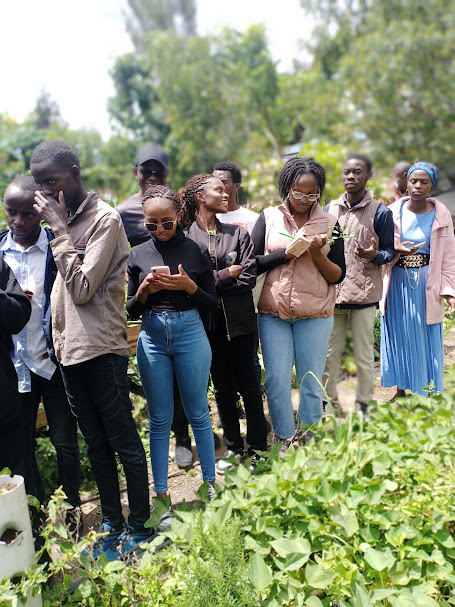
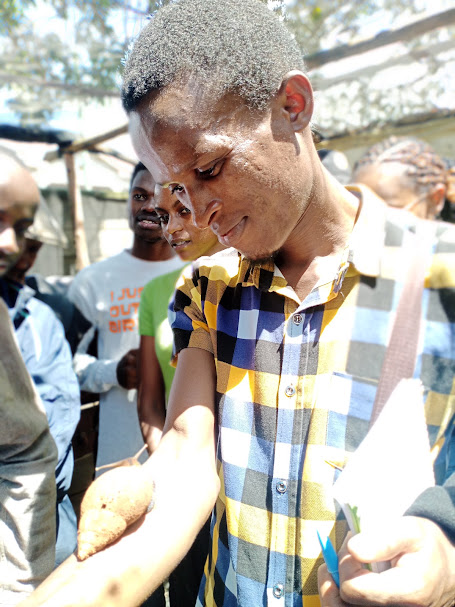
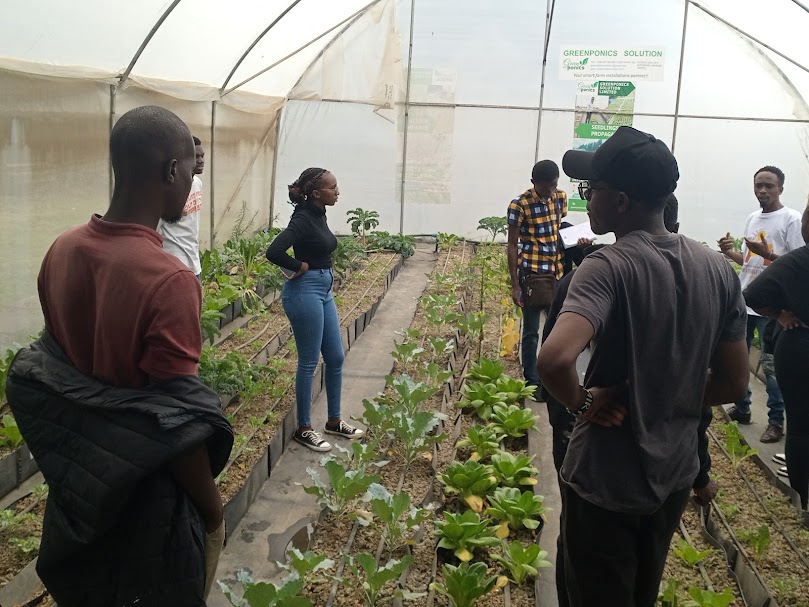
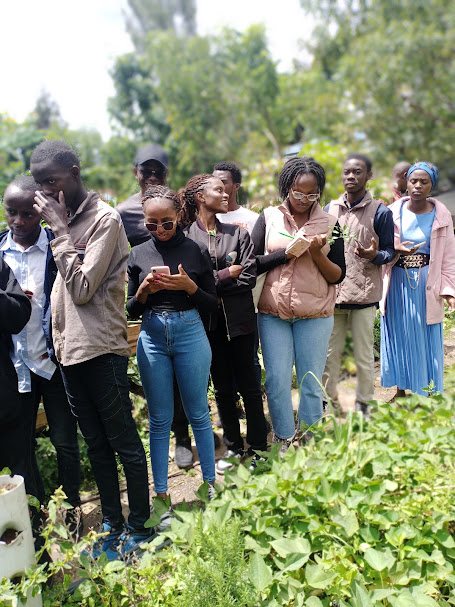
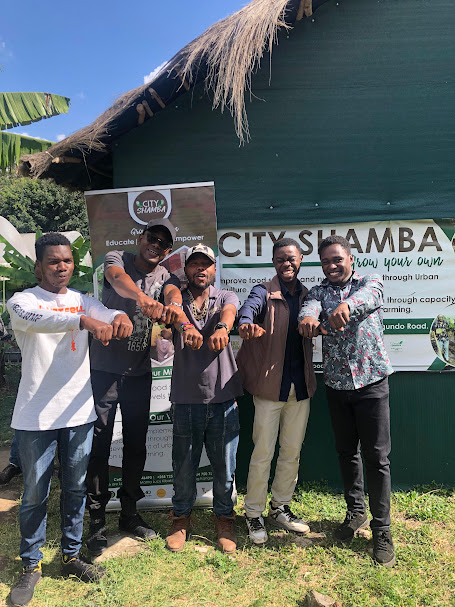
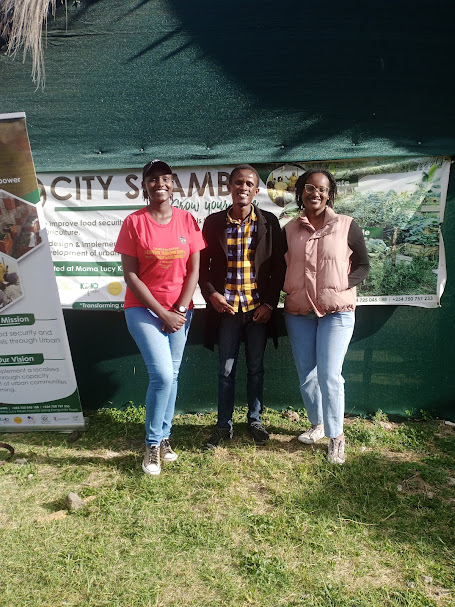
Community members tour City Shamba with Ubunifu Hub, learning about hydroponics, fish and snail farming, greenhouse farming and organic farming that work even in limited space. Where the technology cannot travel
Learning tours and visits
Some innovations are best understood by seeing them at work. Where a technology cannot be brought to the community, SCI-NAC brings the community to the technology. Our learning tours take members of different community groups to visit sites where scientific methods are being applied, so they can observe the process first-hand, ask questions on the spot and learn how it is done. Seeing a working system widens what people believe is possible, and it gives them the confidence to try it themselves.
Our featured visit was to City Shamba, undertaken in collaboration with Ubunifu Hub. Participants were introduced to a range of scientific farming innovations, including snail farming, fish farming, greenhouse farming, hydroponics and organic farming. A key lesson of the visit was that these methods are not limited to large farms. They can be adapted to urban and rural settings alike, even where space is limited, which makes them realistic options for households, schools and community groups.
The value of these tours lies in turning knowledge into direction. Participants return to their communities with practical ideas, a clearer picture of the technology and a better sense of which approaches could work for their own circumstances.
Participants leave with methods they can actually run at home, in a school or on a small plot.
What we have run under this
- City Shamba, Nairobi Hydroponics, snail, fish, greenhouse and organic farming, with Ubunifu Hub
-
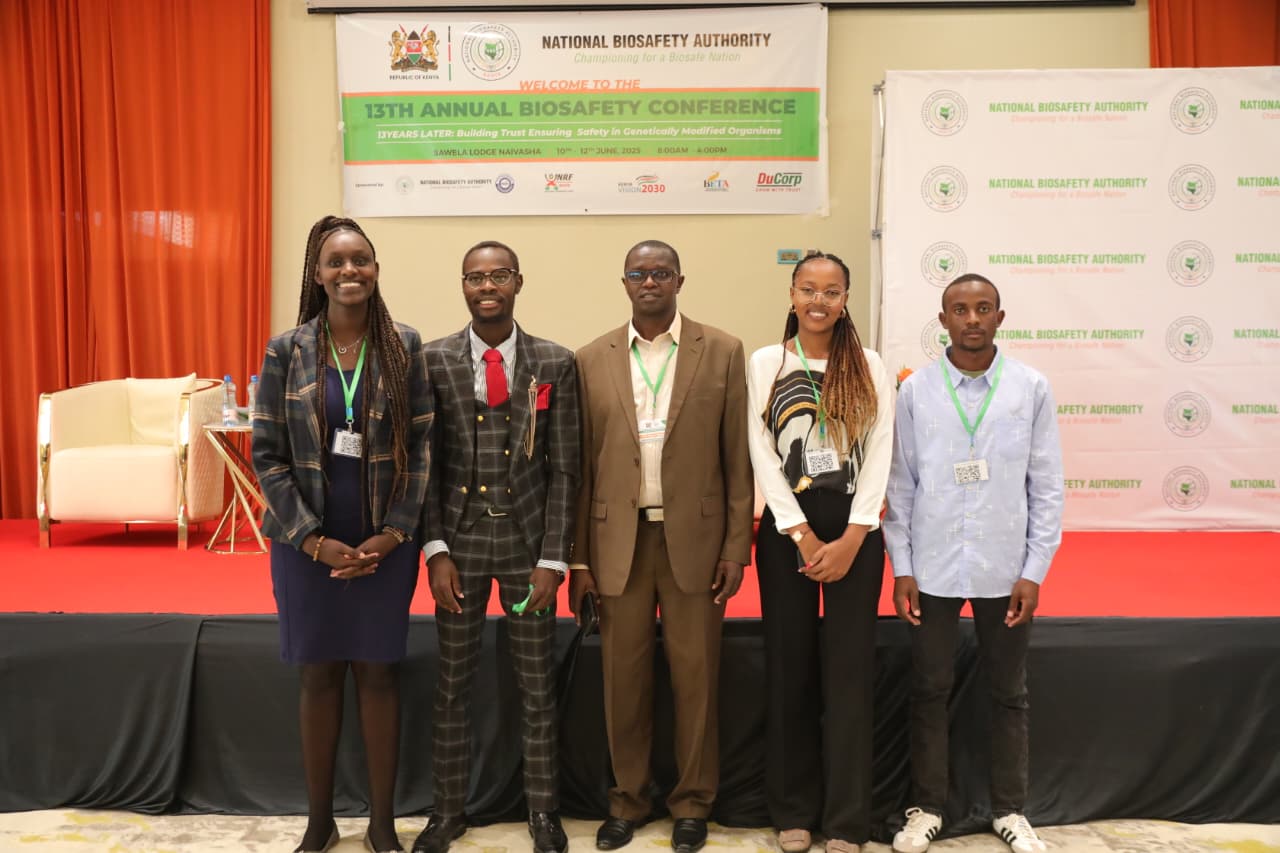
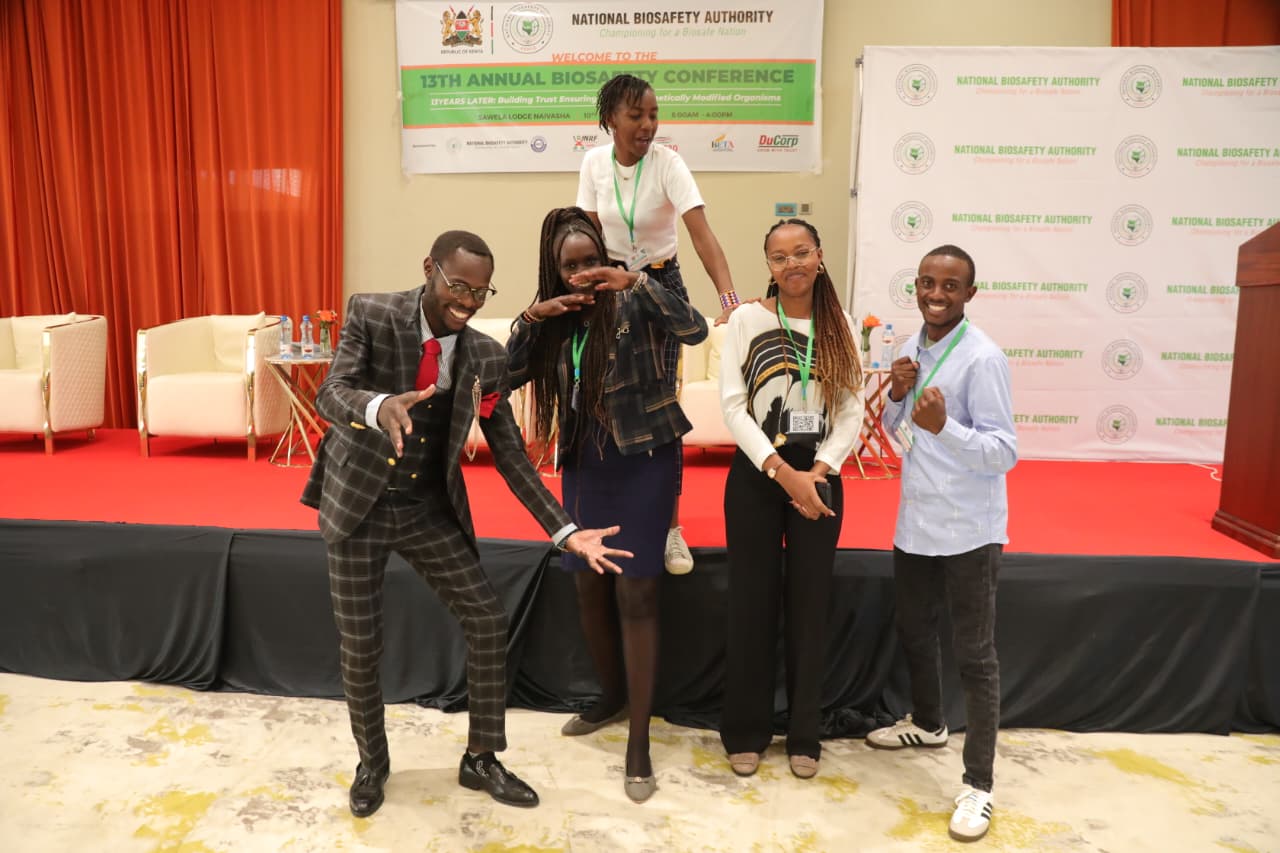
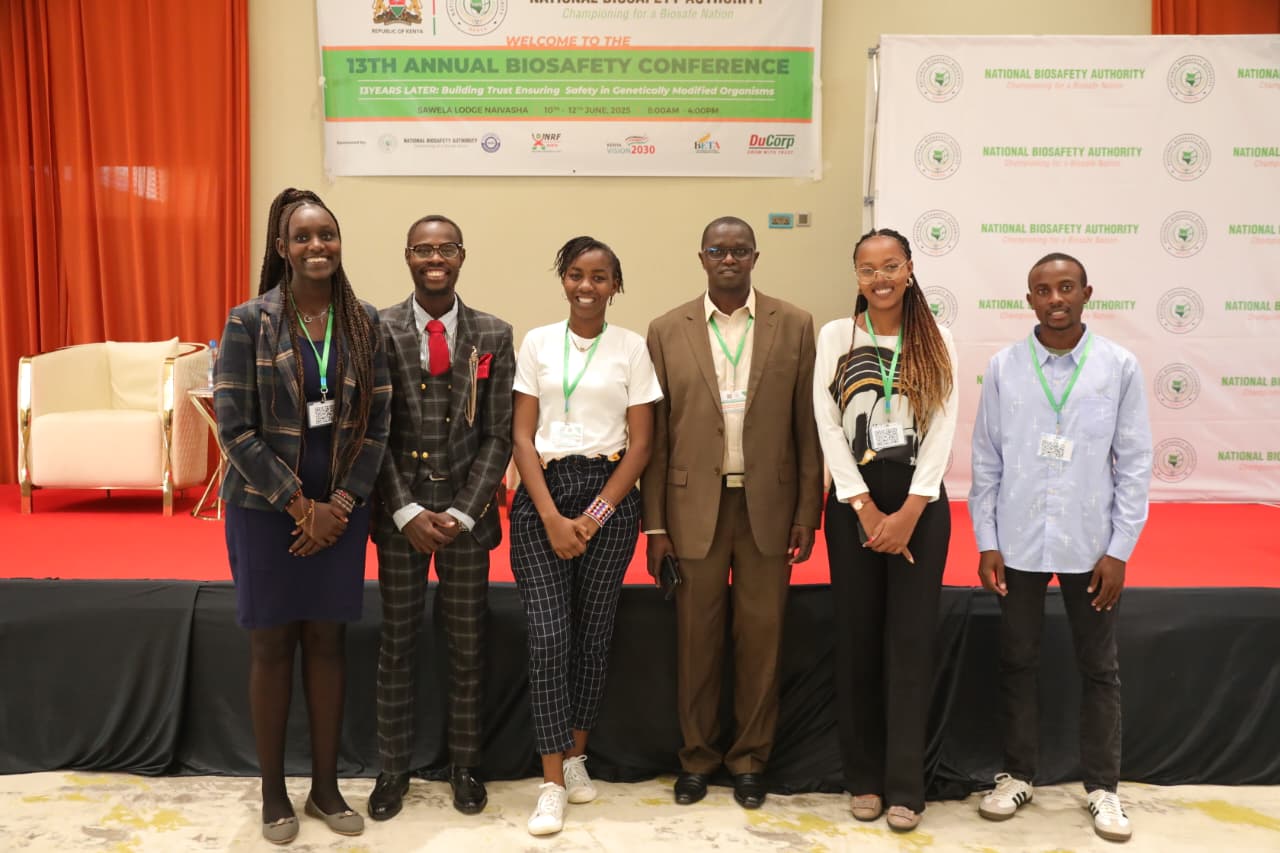
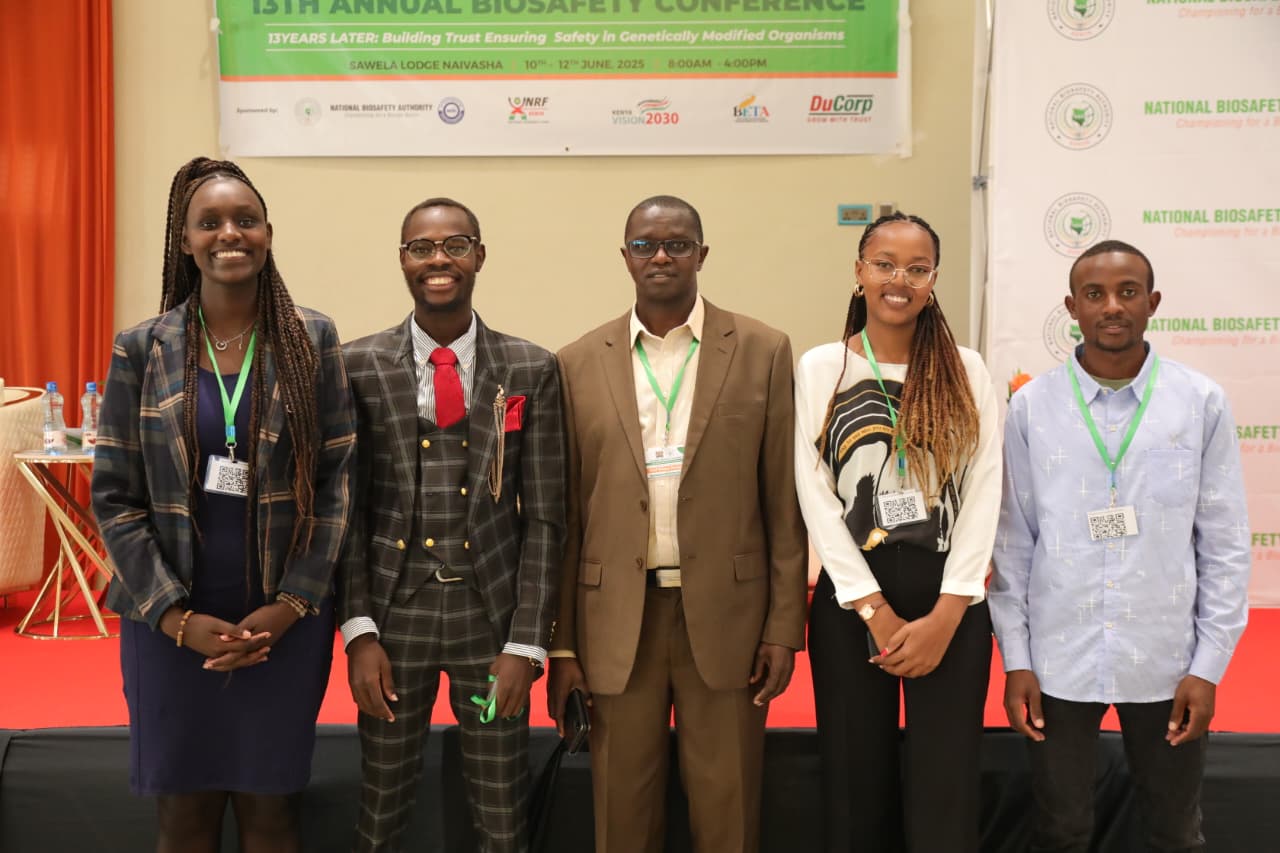
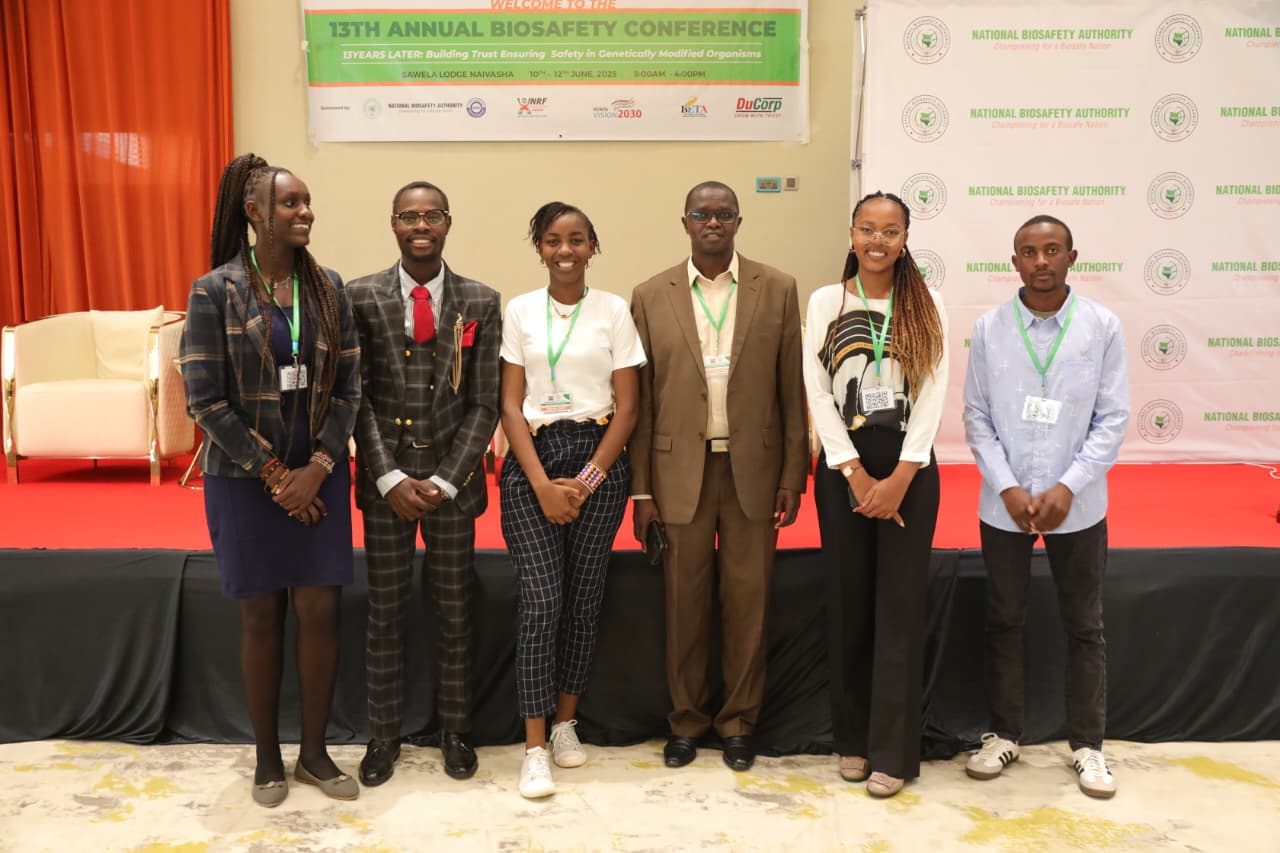
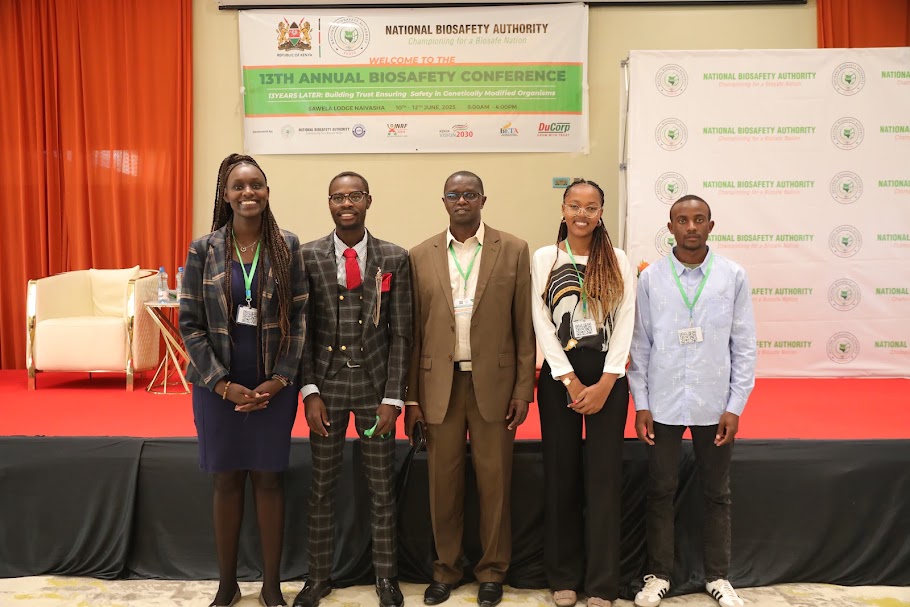
SCI-NAC members at the National Biosafety Authority's 13th Annual Biosafety Conference in Naivasha. Where the decisions get made
Conferences and policy forums
Community understanding only goes so far if the rooms where policy is set never hear it. SCI-NAC takes part in national conferences and policy forums so that the questions communities raise in our webinars and trainings reach regulators, researchers and funders, and so that what we hear in those rooms comes back to the community in plain language.
We joined the National Biosafety Authority's 13th Annual Biosafety Conference in Naivasha, on building trust around genetically modified organisms, and co-hosted an environmental conference that brought more than 100 environmentalists from 15 organizations together. We have also presented our citizen science work as a poster to Kenya's research community.
Our citizen science approach now sits in front of the regulators and researchers shaping policy.
What we have run under this
- 13th Annual Biosafety Conference Sawela Lodge, Naivasha, with the National Biosafety Authority
- Environmental conference with Green Gold 100+ environmentalists from 15 organizations
- KNRF poster presentation Our citizen science work, presented to Kenya's research community
-
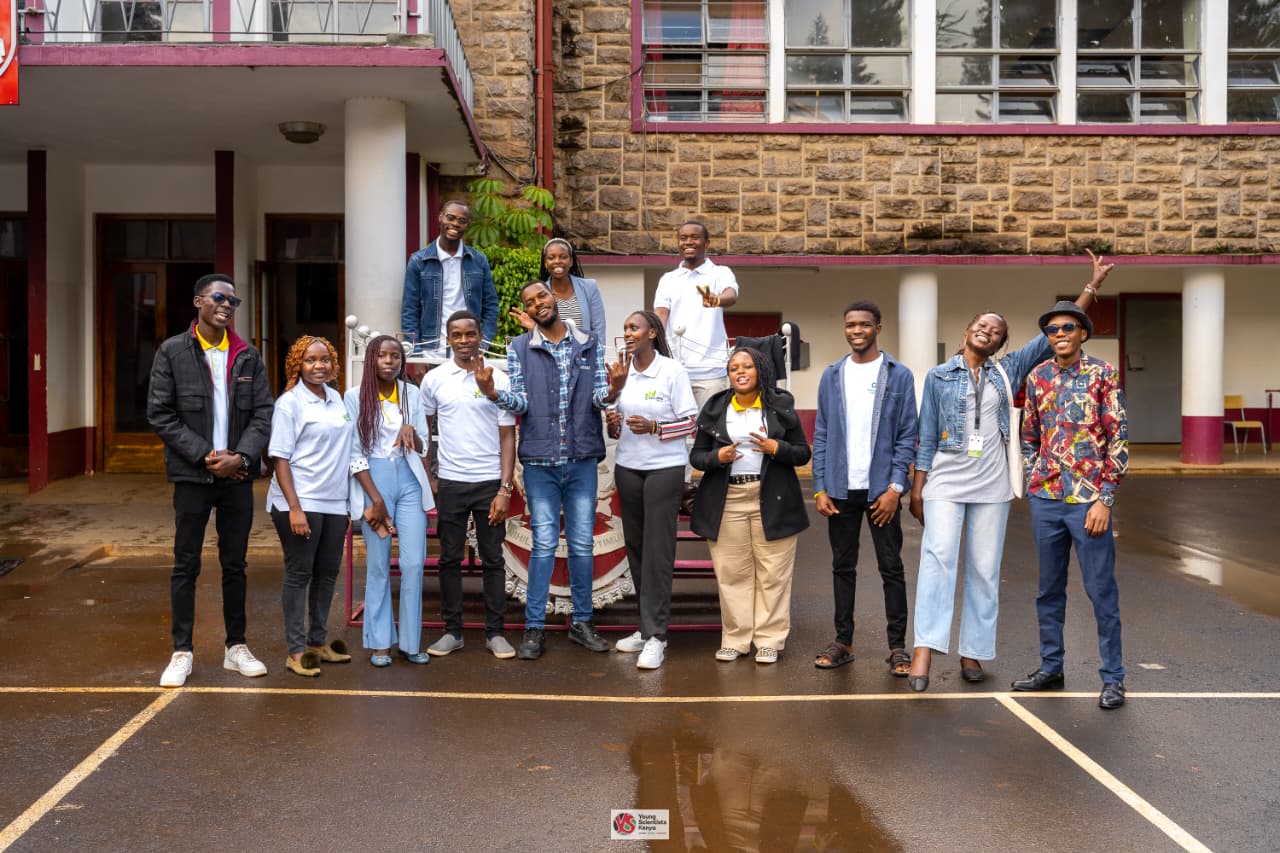
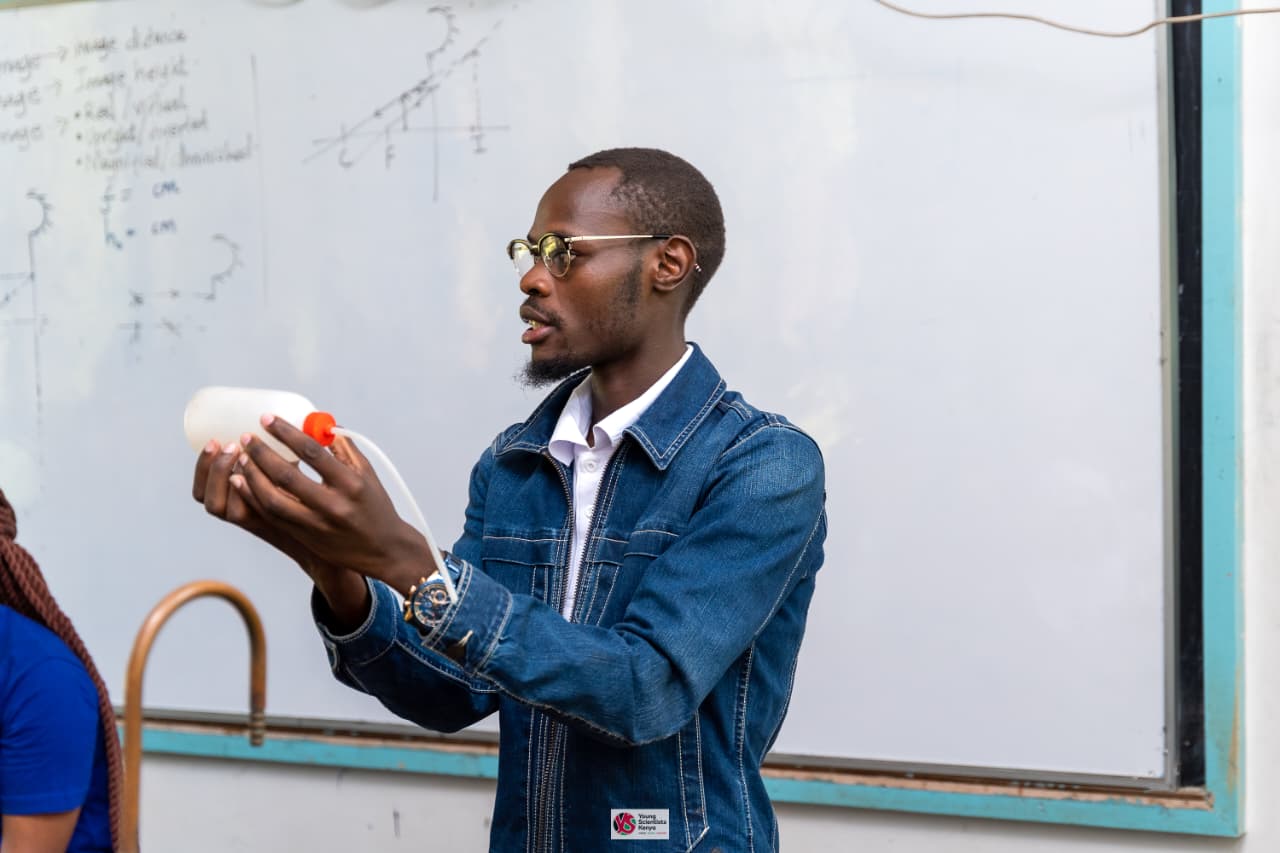
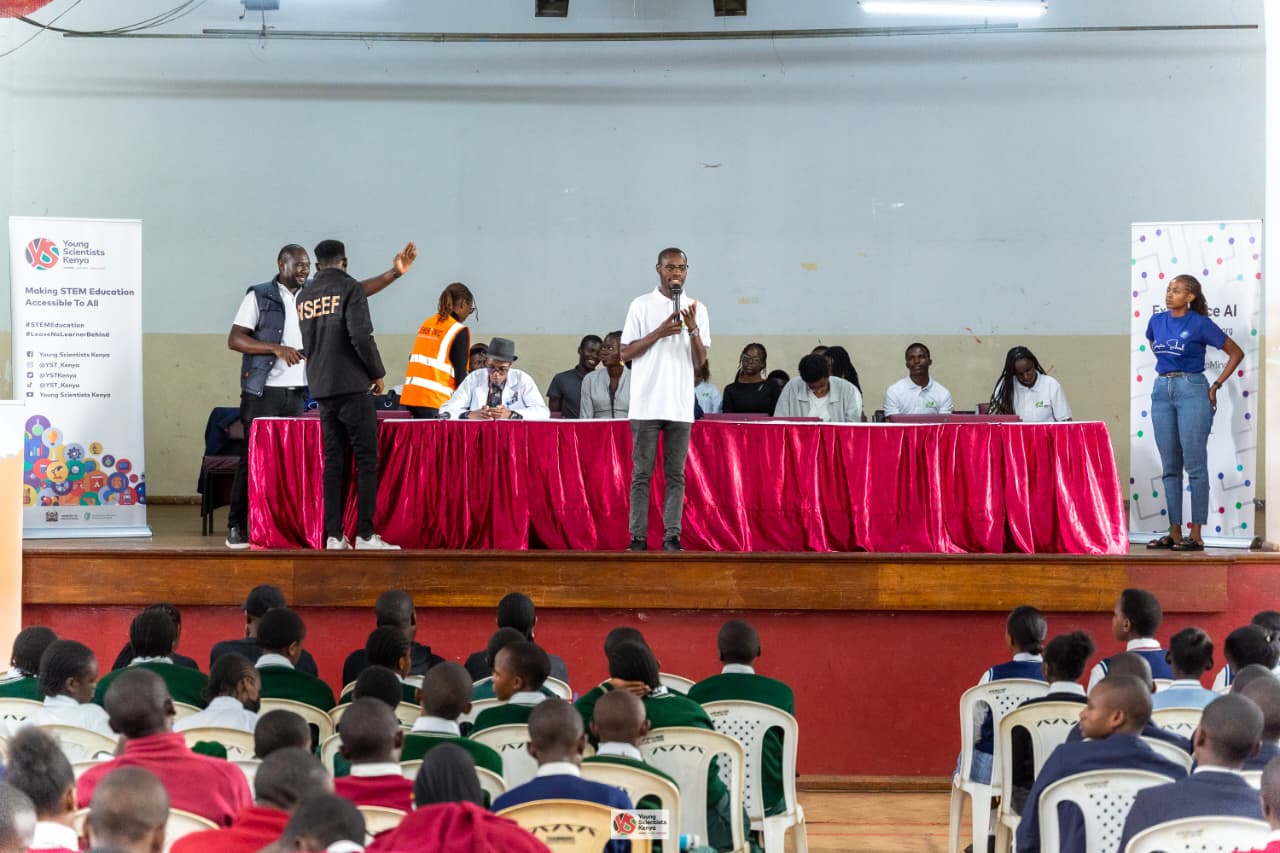
SCI-NAC members conduct a mentorship session with students at Lenana School, in collaboration with Young Scientists Kenya. With schools and universities
Mentorship programme
SCI-NAC's mentorship programme engages undergraduate and high school students, with the aim of nurturing young scientists who will advance the work of the profession. The programme provides structured opportunities for students to interact with practising scientists, gain insight into scientific careers and receive guidance as they shape their academic and professional paths.
To strengthen this work, SCI-NAC has established partnerships with science groups at leading institutions, including Jomo Kenyatta University of Agriculture and Technology and the Technical University of Kenya. Through these partnerships, students are introduced to emerging technologies in their fields of study and to the ways in which these developments are transforming research and industry. The programme further promotes an understanding of science not only as a profession but also as a practical means of addressing the challenges facing communities, thereby linking academic learning to real societal needs.
Through sustained investment in young people, SCI-NAC seeks to build a generation of scientists who are competent, ethical and committed to the sustainable development of their communities.
Students meet practising scientists and see science as a way to solve problems where they live.
What we have run under this
- Lenana School A mentorship day with Young Scientists Kenya
- Jomo Kenyatta University of Agriculture and Technology Partnership with the university science group
- Technical University of Kenya Partnership with the university science group
-
Ongoing
Virtual and augmented reality in science communication
SCI-NAC is pursuing a long-term initiative to adopt virtual and augmented reality as tools for communicating science. The project seeks to bring complex scientific technologies directly to communities by allowing people to experience them in immersive, visual form, rather than learning about them through description alone. The approach combines two formats: recorded 360-degree video, which lets audiences explore a scientific process from every angle, and live interactive environments, in which participants can engage with the technology as it unfolds. Together, these formats allow the work to reach different audiences, settings and levels of access.
A major milestone of the project was the development of virtual reality content on tissue culture and molecular technologies, produced in collaboration with Kenyatta University and Black Rhino. These are specialised laboratory fields that are rarely visible to the general public and are often difficult to explain. By presenting them in a virtual environment, the project enables learners and community members to observe the processes and gain an understanding that would otherwise require access to a laboratory.
The technology was showcased at M-Hub Nyeri and presented to the Cabinet Secretary for Information, Communications and the Digital Economy of Kenya. These engagements demonstrated the potential of immersive technology as a tool for public education, and brought the initiative to the attention of national leadership and the wider innovation community.
A laboratory you can walk into without leaving your community.
What we have run under this
- Tissue culture and molecular technologies in VR With Kenyatta University and Black Rhino
- Showcase at M-Hub Nyeri Presented to the Cabinet Secretary for Information, Communications and the Digital Economy
Photo gallery
Pictures from the trainings, tours, conferences and mentorship days above.