We started with a question: why does good science so rarely reach the people it’s about?

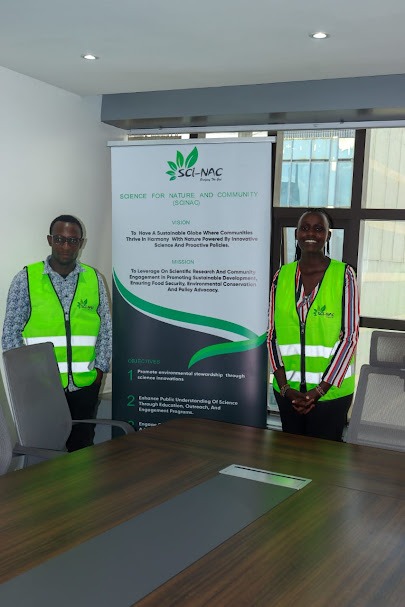
Two SCI-NAC members beside the banner showing our vision and mission

Our story

SCI-NAC, Science for Nature and Community, was founded by young Kenyan scientists who kept noticing the same gap. Research on food, health and the environment was being published, yet farmers, students and families rarely heard about it, and myths filled the silence.

So we started the conversation ourselves: first through online webinars, then conferences, school visits and hands-on trainings. As the work grew, we registered SCI-NAC as an organization under Kenyan law, so we could partner formally with communities, institutions and funders.

Today we are a network of scientists and volunteers who believe science works best when everyone has a part in it.

Our vision

A sustainable world where communities thrive in harmony with nature, guided by innovative science and forward-looking policy.

Our mission

To advance sustainable development, food security, environmental conservation and policy advocacy through scientific research and community engagement.

Our values

Curiosity
We ask questions before we give answers, and we welcome yours.
Inclusion
Science belongs to everyone, whatever their background or schooling.
Sustainability
We choose solutions that work for people and nature over the long term.
Integrity
We share evidence honestly, including what we don’t yet know.

Why citizen science?

Citizen science means doing science with people, not just for them. When a farmer helps measure soil health or a student collects climate data, the results belong to the community that will live with them.

It is also our strongest answer to misinformation. People trust what they have seen and tested themselves, so we bring the evidence into the room and leave space for every question.

Our approach

How we work, and the events each way of working has produced so far.
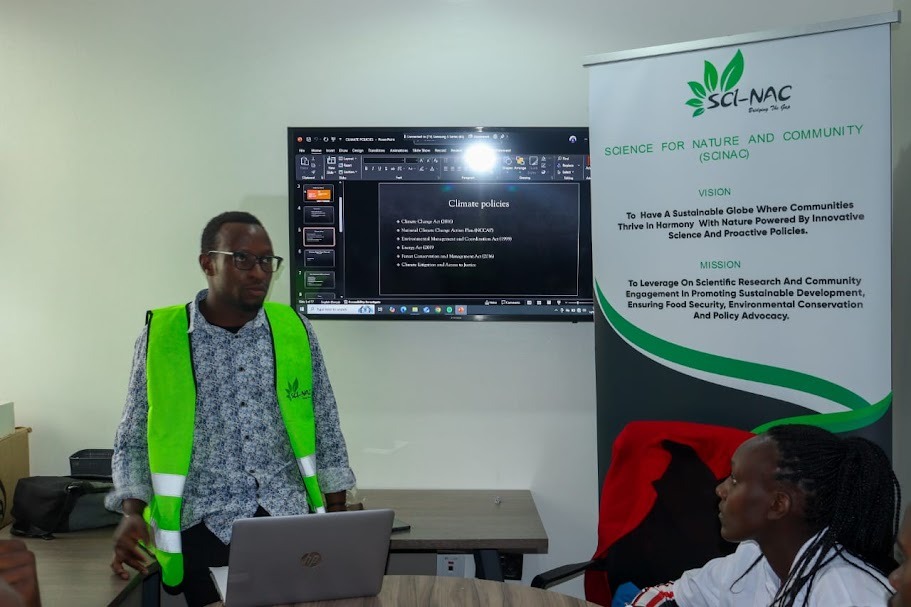
  • Scientists receive training on science policy and law from a member of the legal profession.

    Peer-to-peer trainings

    Members teach each other across disciplines, so that what we take to communities is accurate, current and responsibly explained.
    • Science policy and environmental law Led by a member of the legal profession
    • How evidence is gathered and tested Led by field scientists, for policy colleagues
    Read about peer-to-peer trainings
  • Our five-month season on genetically modified organisms opened the technology up to public questions.

    Citizen science webinar series

    Monthly online discussions where expert panels explain the science behind the issues that shape our lives, from GMOs and antimicrobial resistance to diabetes, breast cancer and food security.
    • Genetically modified organisms A five-month season, with government, policy and advocacy panels
    • Antimicrobial resistance With AMR Awareness Week
    • Diabetes Living well with it, and lowering your risk
    • Breast cancer and food security
    • Clean energy Cleaner cooking and lighting at home
    • Climate change and global warming
    • HIV/AIDS Prevention, testing and treatment
    • Nutrition and dietetics
    Read about citizen science webinar series
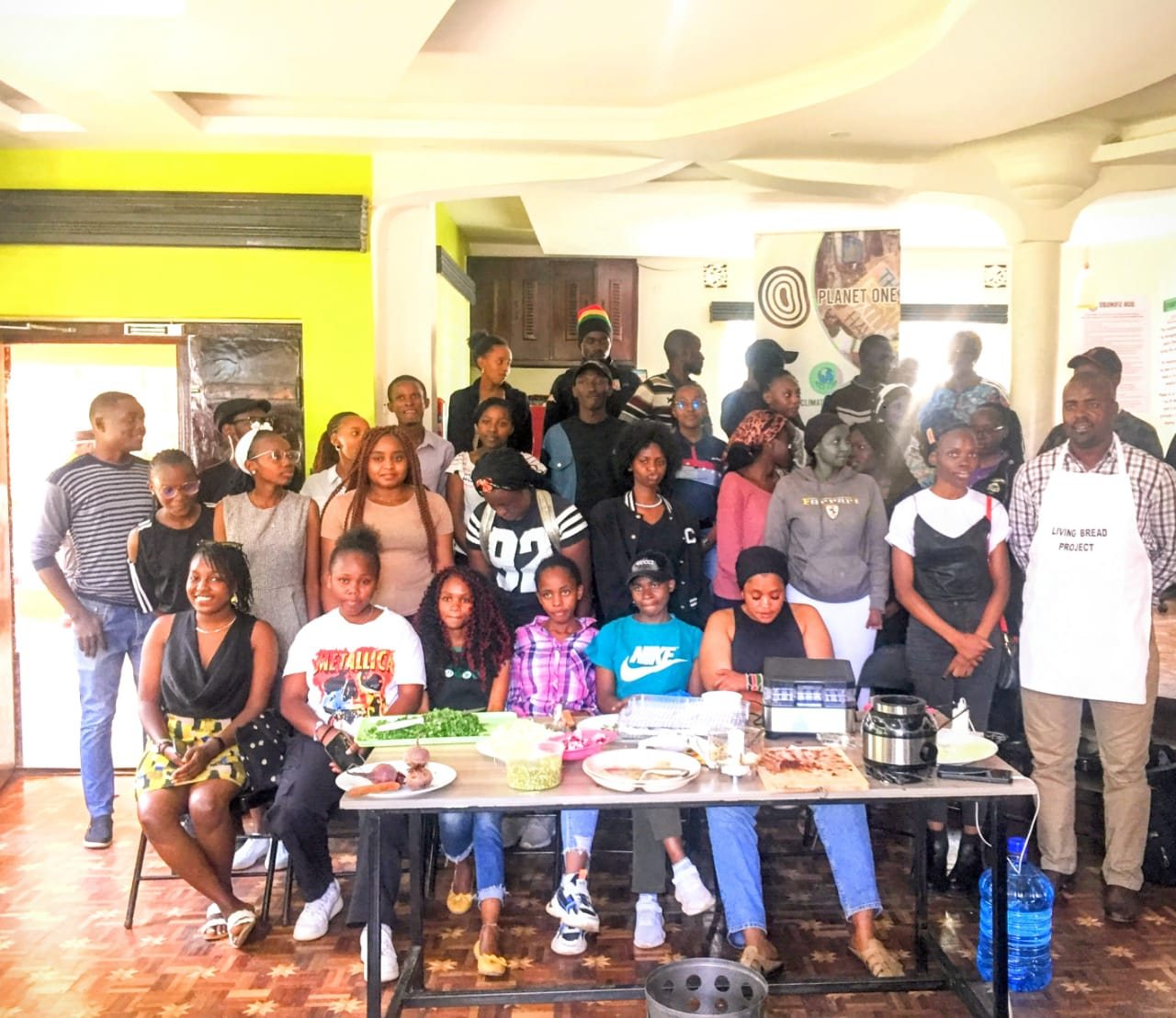
  • Participants learn to make nutritious, long-lasting organic bread from locally available ingredients, with Ubunifu Hub and Impact Green Ambassadors.

    Physical trainings

    Hands-on sessions where communities learn a technology directly from the people who built it, from organic bread making to mushroom farming on agricultural waste.
    • Organic bread making 56 participants from Nairobi, Kiambu and Machakos, with Ubunifu Hub and Impact Green Ambassadors
    • Mushroom farming on agricultural waste Growing food on maize cobs, wheat and rice straw
    Read about physical trainings
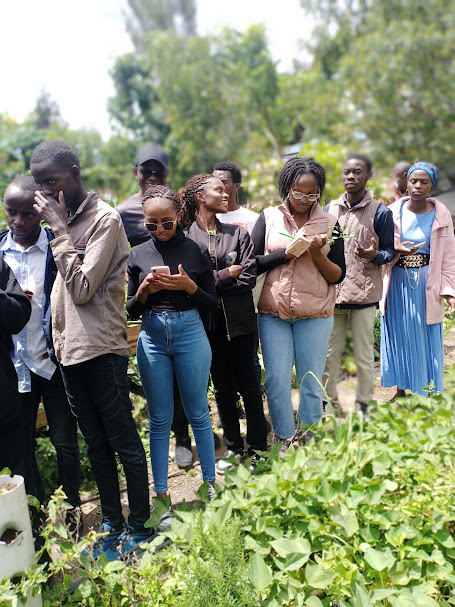
  • Community members tour City Shamba with Ubunifu Hub, learning about hydroponics, fish and snail farming, greenhouse farming and organic farming that work even in limited space.

    Learning tours and visits

    Visits to places where scientific methods are already working, so people can watch the process, ask questions on the spot and judge what would suit their own circumstances.
    • City Shamba, Nairobi Hydroponics, snail, fish, greenhouse and organic farming, with Ubunifu Hub
    Read about learning tours and visits
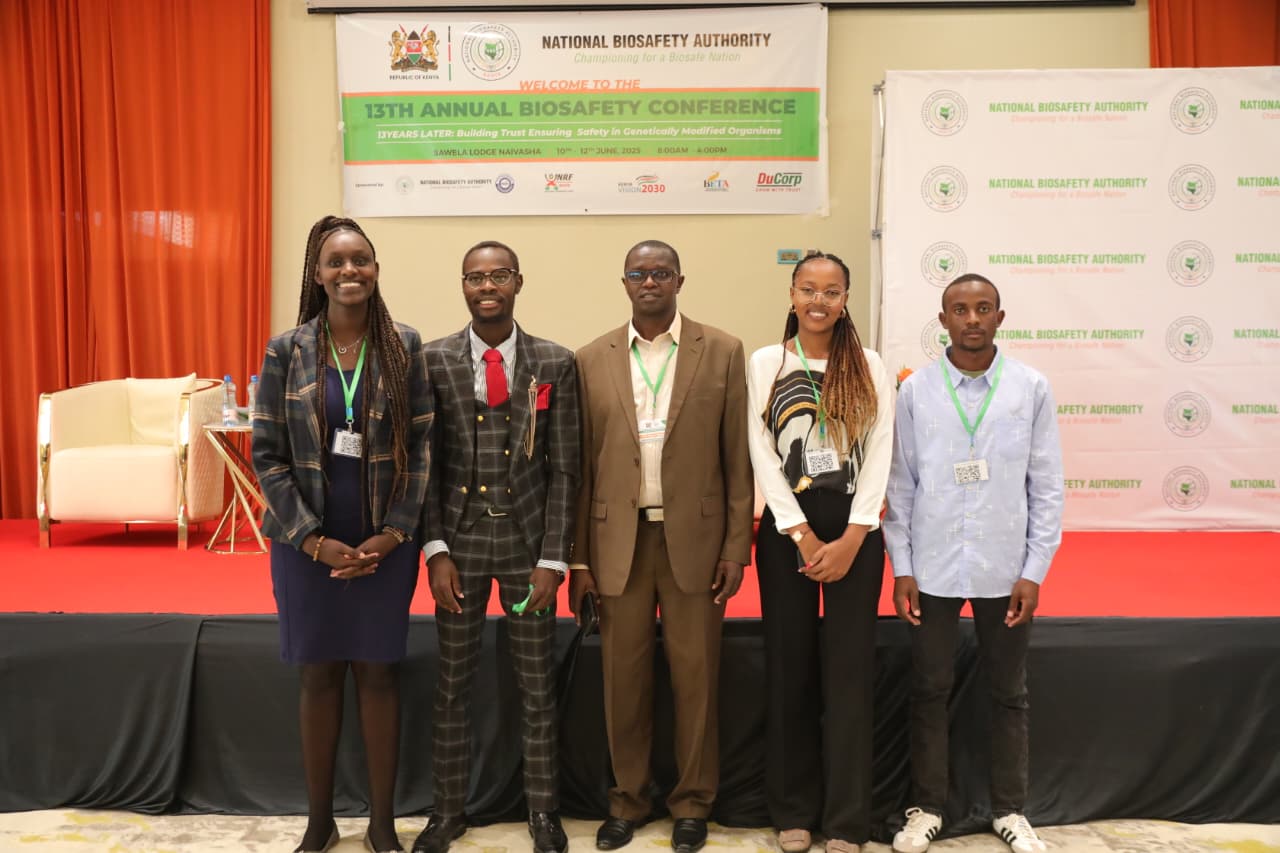
  • SCI-NAC members at the National Biosafety Authority's 13th Annual Biosafety Conference in Naivasha.

    Conferences and policy forums

    National conferences and policy forums where we carry community questions to regulators and researchers, and bring the answers back in plain language.
    • 13th Annual Biosafety Conference Sawela Lodge, Naivasha, with the National Biosafety Authority
    • Environmental conference with Green Gold 100+ environmentalists from 15 organizations
    • KNRF poster presentation Our citizen science work, presented to Kenya's research community
    Read about conferences and policy forums
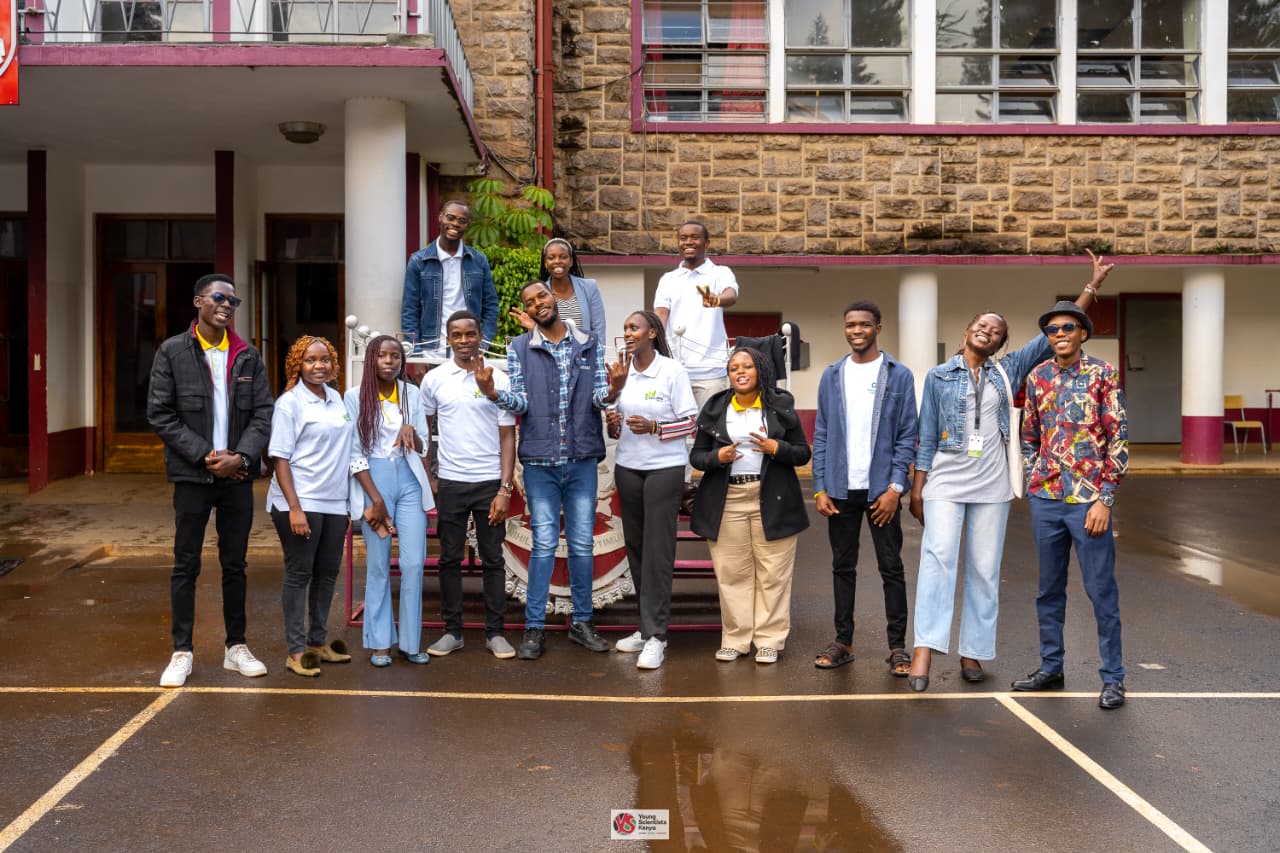
  • SCI-NAC members conduct a mentorship session with students at Lenana School, in collaboration with Young Scientists Kenya.

    Mentorship programme

    Structured time with practising scientists for high school and university students, run with science groups at leading Kenyan institutions.

    • Lenana School A mentorship day with Young Scientists Kenya
    • Jomo Kenyatta University of Agriculture and Technology Partnership with the university science group
    • Technical University of Kenya Partnership with the university science group
    Read about mentorship programme
  • Virtual and augmented reality in science communication

    An ongoing initiative using 360-degree video and live interactive environments to bring laboratory science to communities, developed with Kenyatta University and Black Rhino and showcased at M-Hub Nyeri.

    • Tissue culture and molecular technologies in VR With Kenyatta University and Black Rhino
    • Showcase at M-Hub Nyeri Presented to the Cabinet Secretary for Information, Communications and the Digital Economy
    Read about virtual and augmented reality in science communication

Meet the team

Natural scientists, biologists, social scientists, lawyers and policy specialists, working side by side.

See who we are

Our partners

Organizations and institutions we deliver the work with.

  • Ubunifu Hub

    Physical trainings and learning tours
  • Impact Green Ambassadors

    Food security and sustainable bread baking
  • National Biosafety Authority

    Biosafety conferences and GMO regulation
  • The Green Gold Youth Climate Summit

    Youth climate and conservation work

  • Planet One
  • City Shamba
  • Young Scientists Kenya
  • Kenyatta University
  • Black Rhino
  • M-Hub Nyeri
  • Jomo Kenyatta University of Agriculture and Technology
  • Technical University of Kenya